Golfer Luke Donald: Career, Wins, and Playing Style
27 September, 2026Logan Hart0 Comments1 category
Luke Donald spent 56 weeks as the world’s best golfer without ever lifting a major championship trophy. That single fact tells you almost everything you need to know about how he built his career: not with brute force off the tee, but with a short game sharp enough to make longer hitters look sloppy around the greens.
If you’re searching for golfer Luke Donald, you’re probably trying to work out how a player without a major title reached World No. 1, or what actually made his game so effective. This article covers his rise, his wins on both tours, his Ryder Cup record, and the technique lessons any weekend golfer can actually use.
From Northwestern to World No. 1
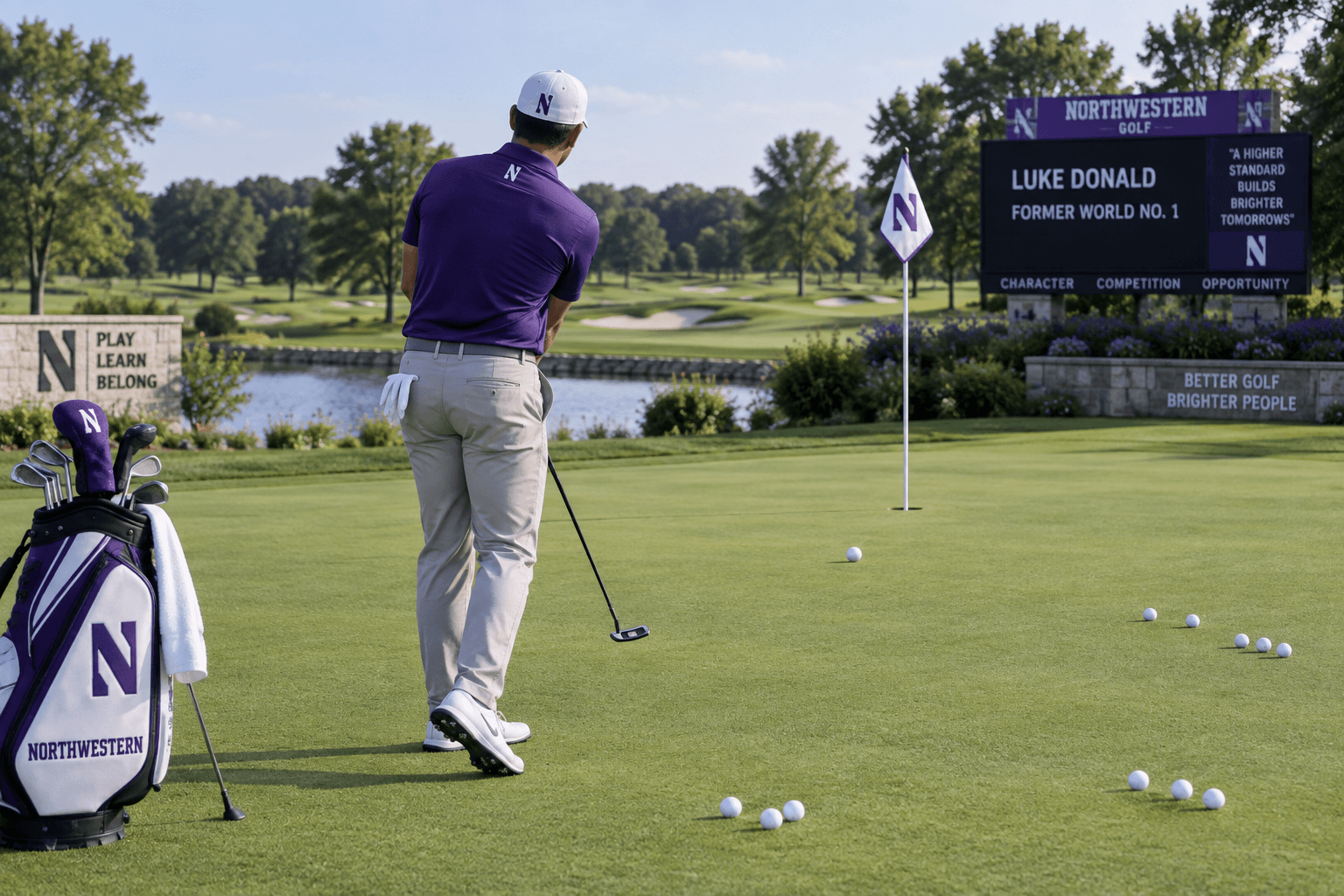
Donald’s route to the top started in American college golf, not on a British links course. He played at Northwestern University in Illinois, where he won the individual NCAA title in 2001 and helped put the program on the map nationally.
Turning professional in 2001, Donald built his career steadily rather than explosively. He picked up PGA Tour and European Tour wins through the 2000s, but the real breakthrough came in 2011. That year he became the first player to top the money list on both the PGA Tour and European Tour in the same season, and in May 2011 he reached World No. 1 in the Official World Golf Ranking.
He held that top spot for 56 weeks across 2011 and 2012, a run built almost entirely on consistency rather than a single dominant win. Donald never had a “moment” the way Rory McIlroy or Tiger Woods did at their peaks. He just kept finishing high, week after week, which is exactly why his ranking surprises people who assume the World No. 1 spot always belongs to someone with a major trophy on the shelf.
Wins on Both Tours: Where the Trophies Actually Came From
Donald’s win total splits fairly evenly between America and Europe, which matters because a lot of golf fans only track PGA Tour stats and miss half the picture.
On the PGA Tour, Donald won five times, including the WGC-Accenture Match Play Championship in 2011, arguably his signature win. On the European Tour, he won seven times, including the BMW PGA Championship at Wentworth, one of the tour’s flagship events. Neither tour tells the full story on its own.
Category
Total
Notable win
PGA Tour wins
5
WGC-Accenture Match Play (2011)
European Tour wins
7
BMW PGA Championship, Wentworth
Major championships won
0
Best finish: runner-up, 2006 US PGA Championship
World No. 1 weeks
56
2011–2012
Career earnings on the PGA Tour alone sit above $30 million, with several million more added from European Tour prize money. That’s a serious living built almost entirely on scoring average and putting stats rather than driving distance, which regularly ranked him outside the tour’s top 100.
Ryder Cup Career vs. 2023 Captaincy: Two Different Jobs
Donald’s Ryder Cup story has two distinct chapters, and mixing them up is the most common mistake people make when reading his record.
The Playing Career
As a player, Donald represented Europe four times: 2004, 2006, 2010, and 2012. He went undefeated in foursomes and fourballs for long stretches and built a reputation as one of the most reliable pairs partners in the format, particularly alongside Sergio García.
The 2023 Captaincy
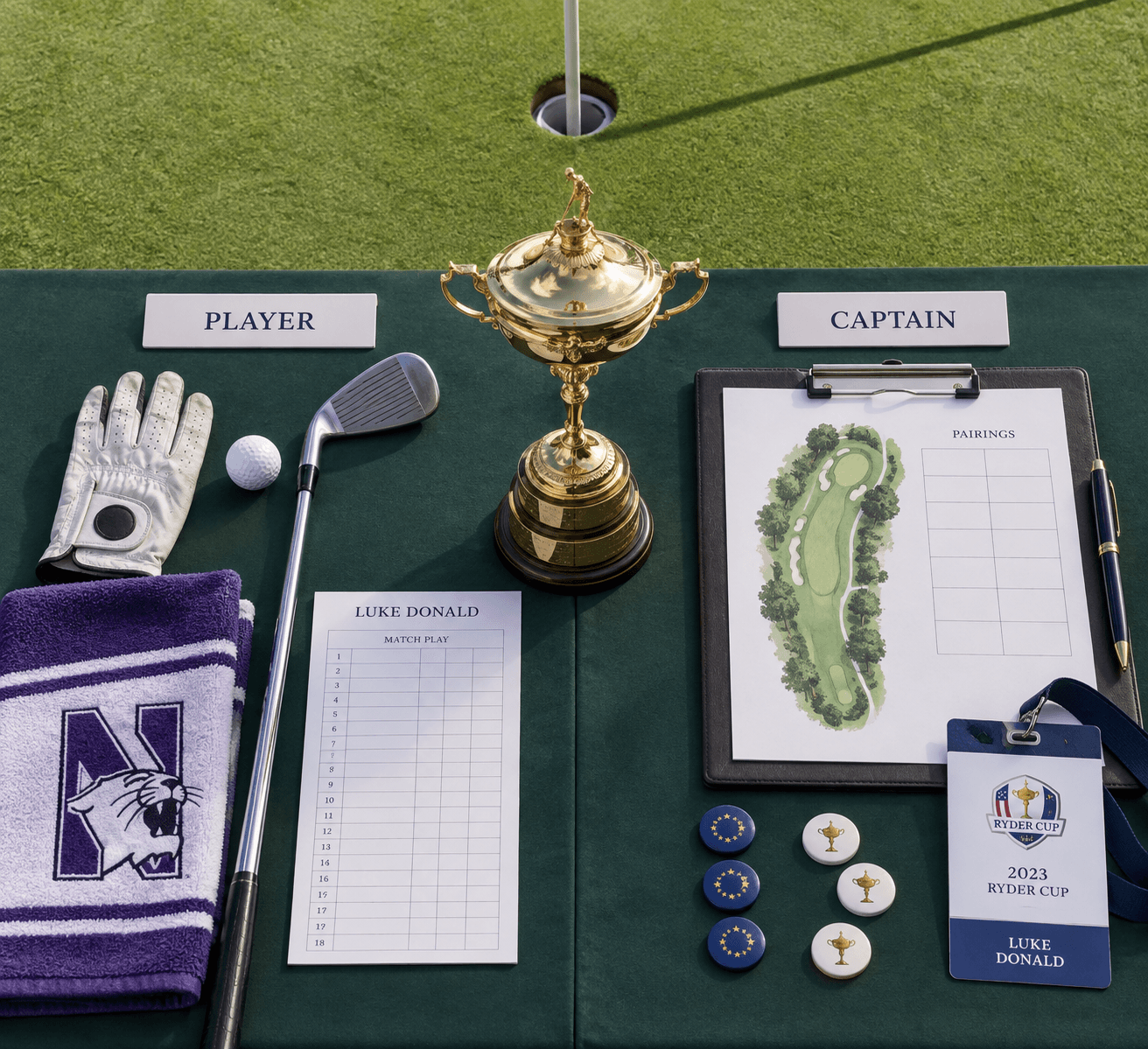
Donald never played Ryder Cup after 2012, but he returned in a completely different role as European team captain for the 2023 match at Marco Simone in Italy. Europe won convincingly, 16½ to 11½, and Donald’s tactical pairing decisions were widely credited afterward. His playing achievements and his captaincy success are separate résumé lines, not the same accomplishment repeated.
Short Game and Putting: The Real Source of the Ranking
Here’s the part that actually helps your own scorecard. Donald’s game worked because he saved shots where most amateurs bleed them: inside 100 yards and on the green.
Wedge Play and Scrambling
Donald’s scrambling stats (getting the ball into the hole in par after missing the green) sat among the tour’s best for years. He didn’t need a 300-yard drive to set up a birdie; he needed a wedge shot inside eight feet, and he hit that shot far more often than most.
Putting Under Pressure
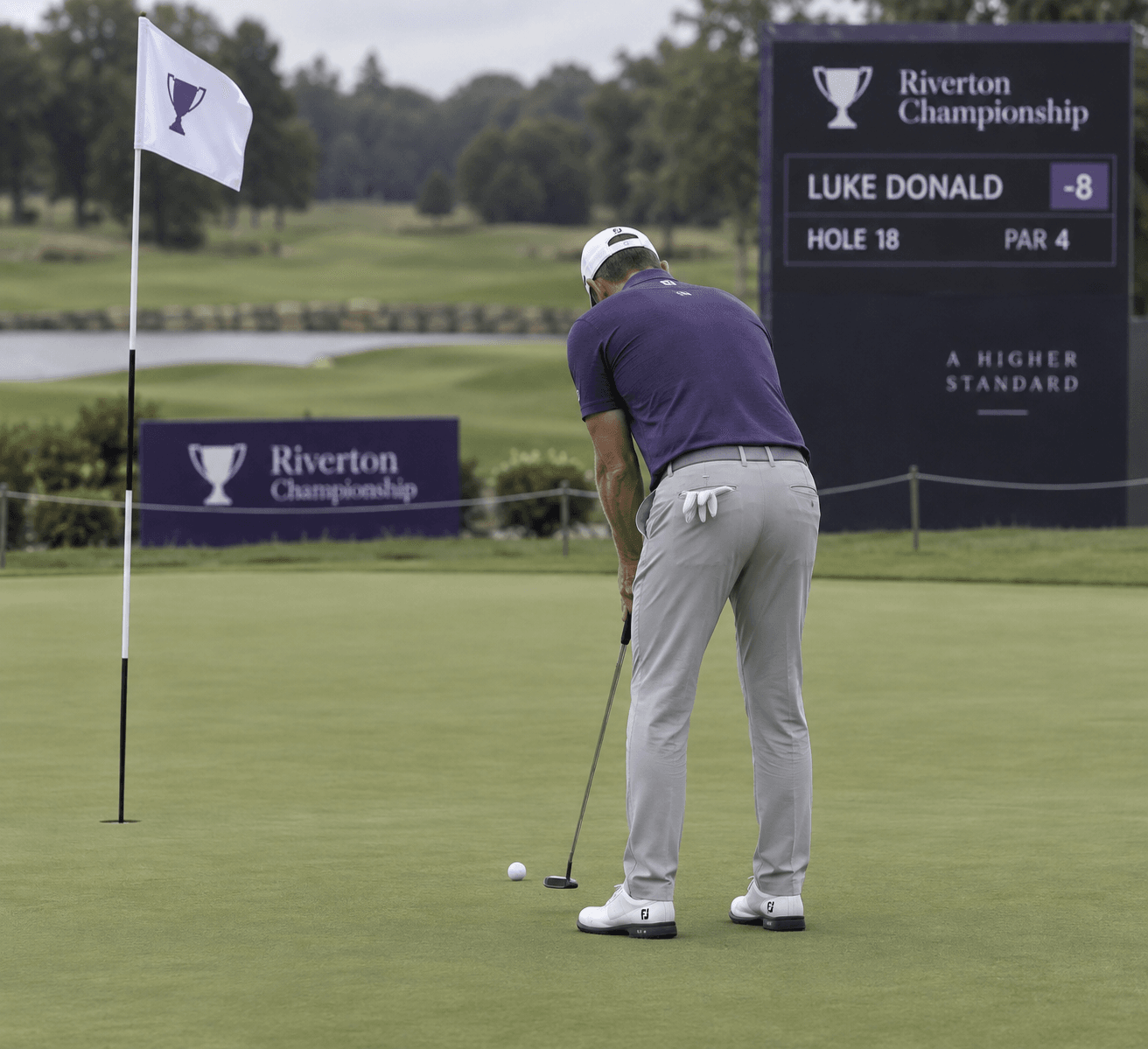
His putting stroke was compact, low-maintenance, and repeatable under pressure, which is exactly what most club golfers should copy instead of chasing a flashier motion. Distance off the tee never determined his ranking; strokes gained on and around the green did.
If you want a practical takeaway, work backwards from where Donald actually saved shots. A weekend golfer loses far more strokes from 100 yards and in than from a mediocre drive, and articles on sites like golfyet.com covering short game drills reflect exactly that priority. Here’s a simple order to practise in if you want results that mirror his approach:
Putting from 6-10 feet, the range most three-putts start from
Chipping technique from just off the green
Wedge distance control from 50-100 yards
Bunker play, since one bad sand shot ruins more rounds than people admit
Full swing and driving, which matters least for most scorecards
Frequently Asked Questions
Did Luke Donald ever win a major championship?
No. His best major finish was runner-up at the 2006 US PGA Championship. He reached World No. 1 in 2011 through consistency across both tours, not through a major title, which remains the most misunderstood fact about his career.
What is Luke Donald doing now?
Donald served as European Ryder Cup captain for the winning 2023 team at Marco Simone and continues to play limited events, mostly on the PGA Tour Champions circuit as he approaches senior-tour eligibility, rather than competing full-time on the main tour.
Why was Luke Donald ranked World No. 1 without long drives?
Because the world ranking rewards overall scoring, not driving distance. Donald’s short game and putting consistency generated enough top-10 finishes and wins across both tours to outweigh players who hit it further but missed more greens and putts.
Golf is a game known for its complexity, particularly when it comes to its rulebook. For beginners, understanding the rules of the game is crucial to avoid unnecessary penalties that can significantly impact their score.A…
The scramble format is a popular team-based golf format, often used in charity events, corporate outings, and casual play among friends.This format requires a comprehensive understanding of its governing rules and strategies to excel.Although not…
Golf courses often implement the 90-Degree Rule to balance the convenience of using golf carts with the need to protect the fairway grass.This rule allows golfers to ride on the fairway while ensuring that carts…