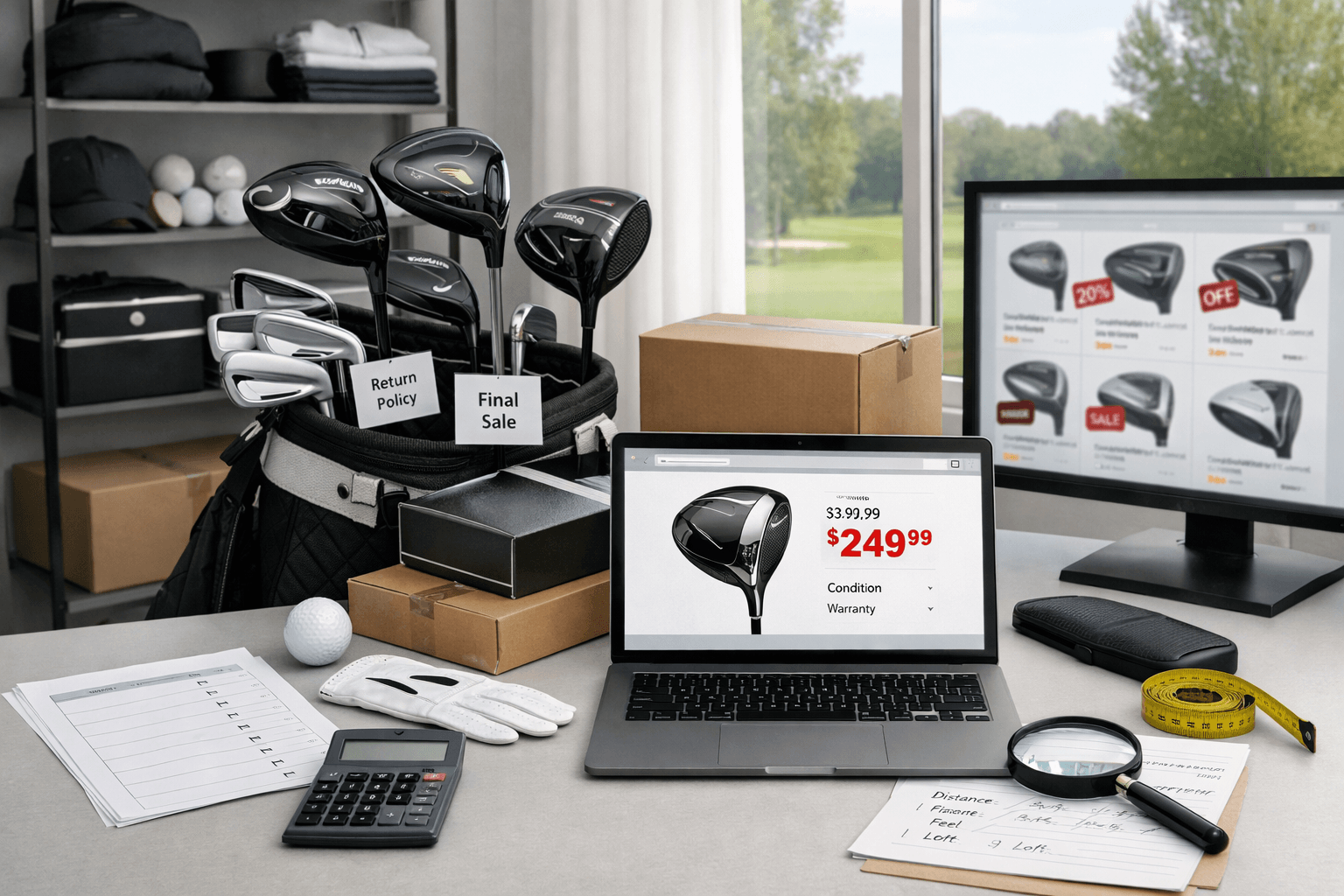
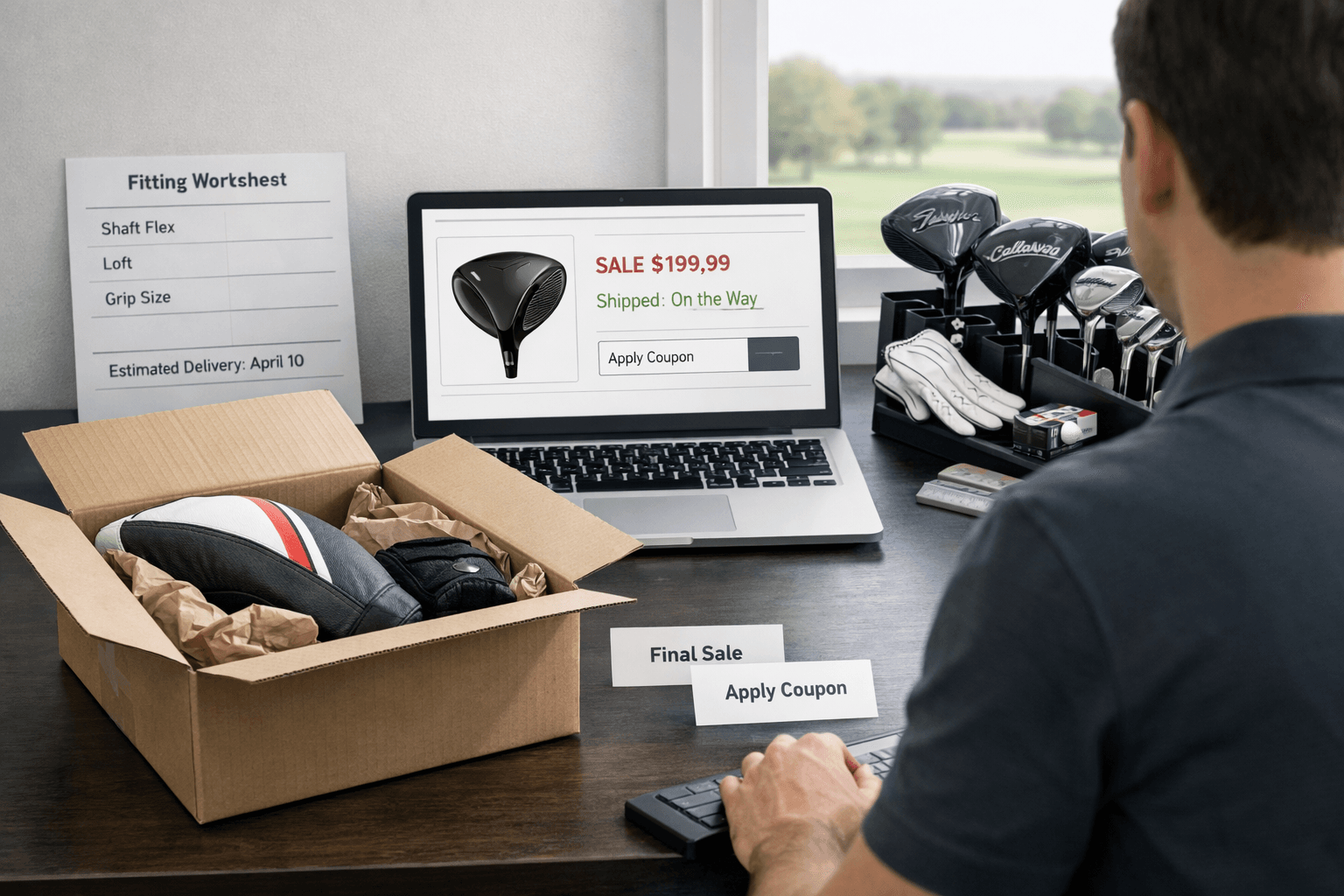
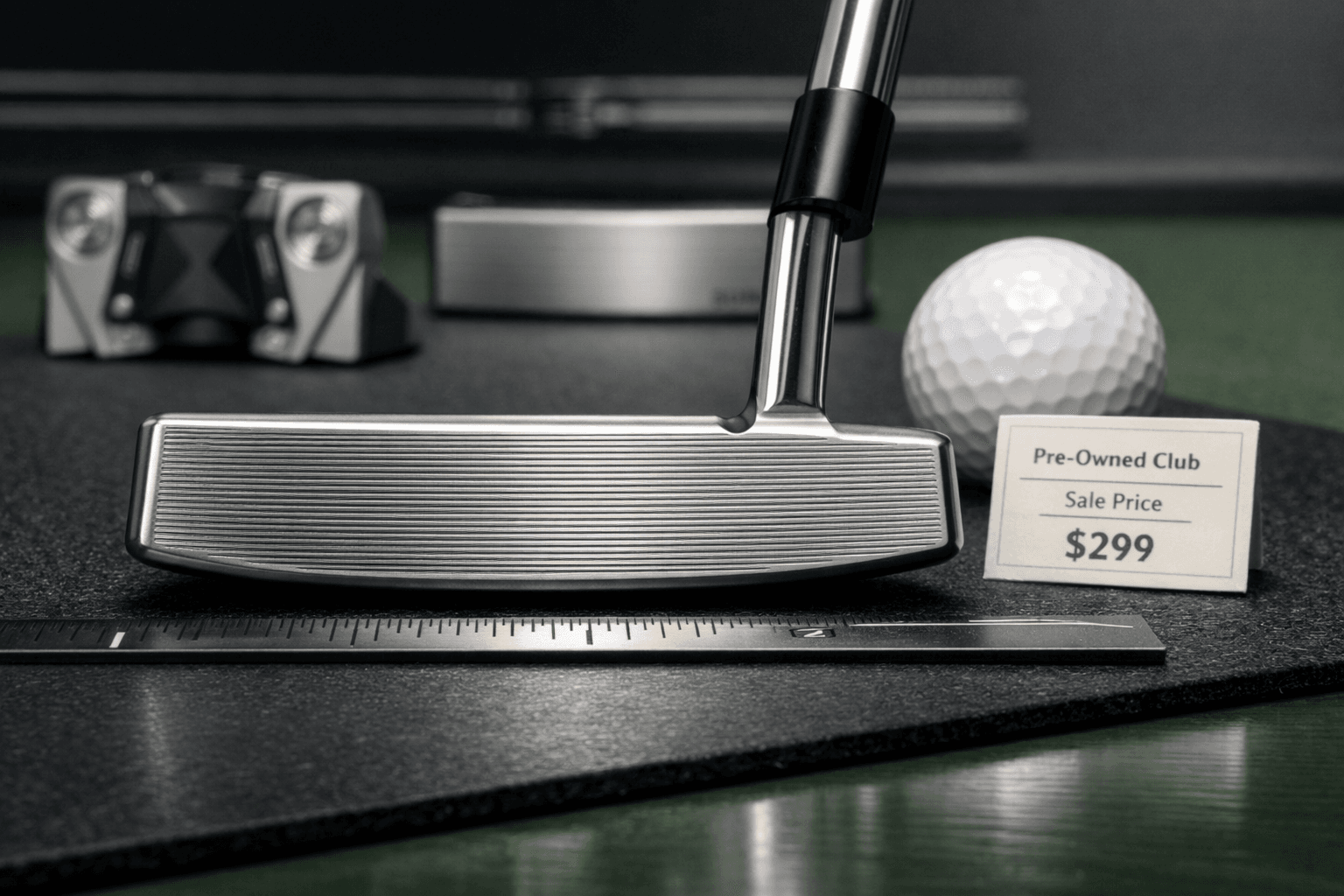
A set of last season’s Callaway irons at 40% off sounds like a steal, until you realise the “deal” is a final-sale return with no warranty. That’s the trap with Rock Bottom Golf, and with clearance golf shopping generally: the discount is real, but the fine print decides whether you win or lose. This guide breaks down what the site actually sells, how its pricing stacks up against Golf Galaxy and the big manufacturer outlets, and the exact checks to run before you click buy.
If you’ve searched “rock bottom golf” wanting reassurance it’s not a dodgy pop-up shop, you’re in the right place. It’s a genuine US-based online retailer with a solid track record, but “rock bottom” pricing comes with rules you need to understand first.
What Rock Bottom Golf Actually Sells
Rock Bottom Golf is an online golf retailer, not a shop you’ll find on your local high street. It stocks new closeout stock, refurbished clubs, and a smaller range of current-season gear, alongside apparel, bags, and accessories from the major brands.
New vs Used: The Confusion Clears Up Fast
Here’s the correction most buyers need: not everything on the site is second-hand. A lot of it is brand-new stock that’s simply been discontinued or replaced by a newer model year. Manufacturers like Callaway, TaylorMade, and Titleist release new lines almost annually, and last year’s driver often gets marked down 30-50% purely because a newer number replaced it on the shelf, not because anyone swung it.
Refurbished and Used Stock Gets Graded
The used and refurbished side of the business runs on a condition-grading system, similar to what you’ll see on 2nd Swing or Golf Clubs 4 Cash in the UK. Grades typically run from “mint” or “like new” down to “good” or “value,” with cosmetic wear (shaft scuffs, small marks on the clubhead) increasing as you go down the scale. The problem is that grading standards aren’t universal across retailers, so a “good” grade at one site might look like a “fair” somewhere else. Always check the actual photos and description text, not just the label.
Brands Worth Buying There (and Ones to Skip)
Callaway, TaylorMade, and Titleist dominate the closeout section, and this is where the real savings live. Drivers, fairway woods, and iron sets from these three brands regularly show up at 25-45% below RRP once a new model cycle lands.
The Big Three Actually Perform
You’re not buying a knockoff. A Callaway Rogue ST or a TaylorMade Stealth from a prior cycle still performs like the tour-tested club it is, it’s just not this year’s marketing headline. For a mid-handicap golfer, the swing-speed and forgiveness gains between one model year and the next are marginal at best. Buying the older model to save £150-£250 on a driver is one of the smartest moves a budget-minded golfer can make.
Where It’s Less Compelling
Putters and wedges see smaller discounts because they don’t get replaced as often, so don’t expect the same bargains there. Apparel from brands like FootJoy or Under Armour is decent value but nothing you can’t often match with a Black Friday sale at a UK retailer like American Golf.
Price Comparison: Rock Bottom Golf vs the Alternatives
Numbers make this easier than opinions. Below is a rough comparison for a mid-range game-improvement driver, based on typical listed pricing patterns across these retailers (figures are illustrative estimates, not live quotes, and will shift with stock and season).
Retailer
Typical Driver Price (prior model year)
Condition
Return Window
Rock Bottom Golf
£180-£240
New closeout or graded used
30 days (varies by “final sale” tag)
Golf Galaxy / Dick’s
£220-£280
New, current or last season
90 days
Manufacturer outlet (e.g. Callaway Pre-Owned)
£190-£260
Certified refurbished
90 days
Local UK pro shop / American Golf
£260-£320
New, current season
14-30 days
The pattern is consistent: Rock Bottom Golf usually undercuts on price but offers a shorter, sometimes more restrictive, return window. That trade-off is fine if you know your specs already. It’s a problem if you’re still guessing your ideal shaft flex.
Buying Without Regret: A Risk Checklist
This is the part most buying guides skip, and it’s the part that actually protects your money. Before you check out on any clearance or used club, run through this sequence.
Check the condition grade against actual photos, not just the word “excellent” or “good.”
Read the return policy on that specific item, since clearance and “final sale” listings often carry no returns at all.
Factor in return shipping costs, which can run £15-£30 on a bagged club set if the item doesn’t fit and you need to send it back.
Compare against the manufacturer’s own outlet price for the same model year, since Callaway and TaylorMade both run pre-owned or outlet stores that sometimes beat third-party resellers.
Confirm it’s an online-only transaction, since Rock Bottom Golf has no physical pro shop for trying clubs before buying or returning them in person.
Look at general review sentiment on Trustpilot or Reddit’s golf forums before a big-ticket purchase, focusing on shipping speed and how disputes get resolved.
Skipping step 3 is the single most common regret buyers report. A £220 “bargain” driver that costs £25 to return, on top of a 15% restocking fee some sites apply to opened clubs, stops looking like a bargain fast.
Shipping, Fitting, and the Coupon Question
Shipping to the UK from a US-based retailer is the detail that trips up a lot of first-time buyers, so it deserves a straight answer. Rock Bottom Golf primarily ships within the US; international orders to the UK aren’t a standard, reliable option, and where available they can add customs duty and VAT on top of freight costs, sometimes 20% or more of the item’s value.
For UK-based golfers, that changes the calculus. It’s often smarter to treat Rock Bottom Golf as a US price benchmark, then buy the equivalent closeout model through a UK retailer or the manufacturer’s own outlet to avoid customs headaches entirely. Sites like golfyet.com are worth checking for UK-specific gear roundups and beginner buying checklists that account for local pricing and shipping realities before you commit.
On fitting: don’t expect an in-person fitting bay. You’re selecting shaft flex and loft from a spec sheet, which works fine if a previous fitting already told you your numbers, but it’s guesswork otherwise. Coupon codes do circulate, typically 5-10% off, often tied to email sign-up or seasonal sales around Black Friday and the Masters in April.
Frequently Asked Questions
Is Rock Bottom Golf a legitimate retailer?
Yes, it’s a genuine, established US online golf retailer with real stock and standard consumer protections, not a scam operation. Check current review scores on Trustpilot before a large order, since sentiment shifts with shipping seasons.
Does Rock Bottom Golf have physical stores in the UK?
No. It’s online-only and based in the US, with no UK pro shop or showroom. UK buyers should budget for international shipping costs and customs duty, or compare prices against a UK retailer stocking the same closeout model.
Are the used clubs actually inspected before sale?
Yes, refurbished and used clubs go through a condition-grading process before listing, covering things like face wear and shaft condition. Always cross-check the written grade against the actual product photos before buying.
At 5 foot 7, weighing barely 68kg, Gary Player didn't look like a man who'd out-work golfers twice his size for six decades. Yet the South African built one of the sport's great careers on…
A used Scotty Cameron Newport 2 from the early 2000s can sell for more than a brand-new Phantom X off the rack. That's not a typo — it's the used-golf-club market doing what collector markets…
Understanding the golf lost ball rule is crucial for every player to avoid unnecessary penalties and maintain fair play on the course.When a ball is hit into an uncertain location, the rule dictates that the…