Slice it 30 metres right, top it off the tee, or watch it balloon straight up into the wind — if that’s your Saturday routine, the driver in your bag is probably fighting you. The best drivers for high handicappers in 2026 aren’t the ones on the range bag of your club pro; they’re the ones built with extreme forgiveness, higher stock lofts, and draw-bias settings that quietly bail you out on off-centre hits. This guide skips the marketing spin and gets straight into what actually helps a 20+ handicapper hit it straighter, more often.
What Makes a Driver Forgiving Enough for High Handicappers
Forgiveness comes down to one number worth learning: MOI, or moment of inertia. It measures how much a clubhead resists twisting on off-centre strikes, and higher MOI means less distance and direction loss when you catch it on the toe or heel — which, let’s be honest, is most of the round.
Head Size and Shape
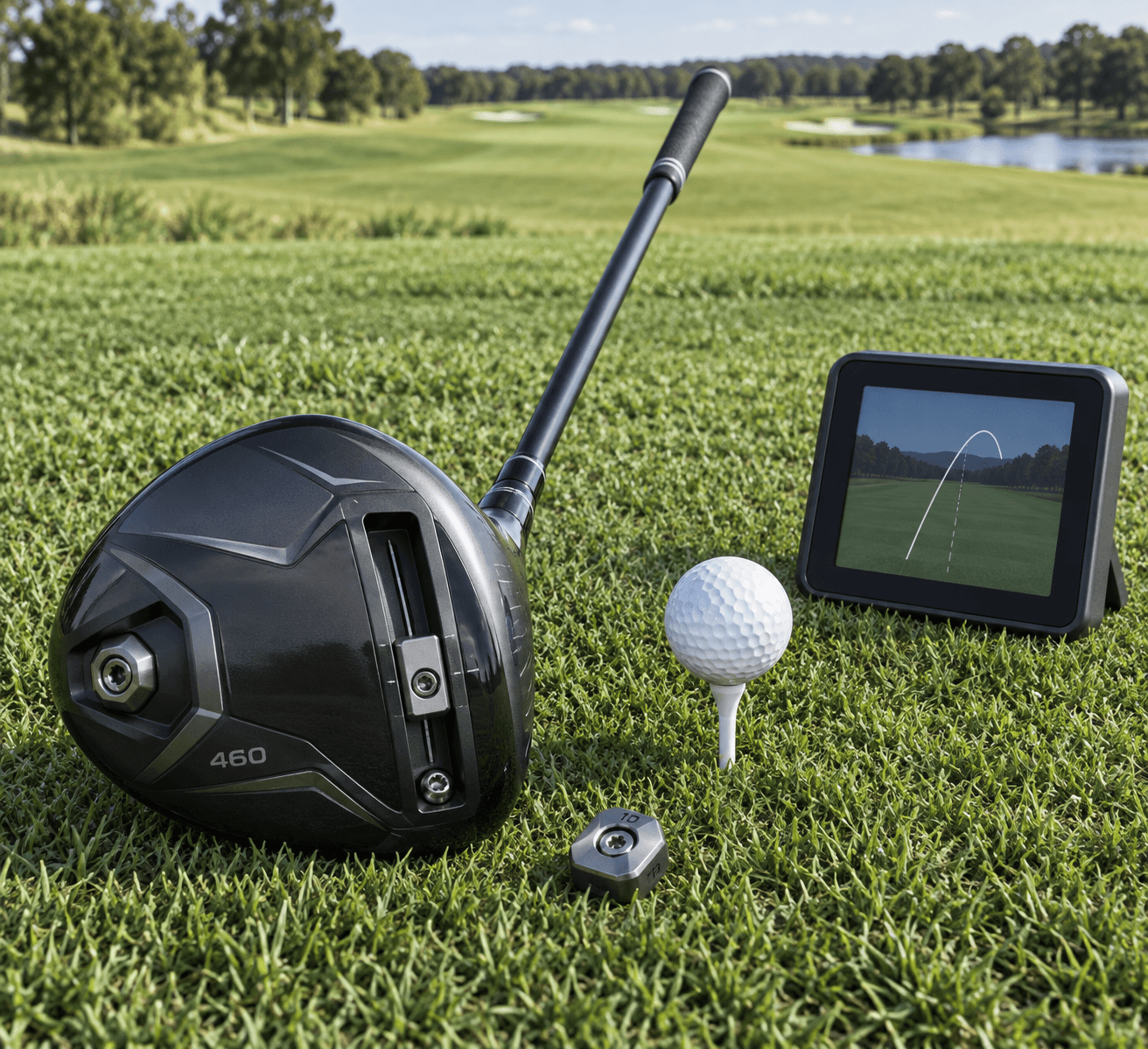
Bigger heads generally mean more MOI. Most 2026 game-improvement drivers sit at the 460cc legal limit, and shapes tend to be shallower and rounder than the pointy, compact heads pros prefer. A rounder profile also sits lower and shallower at address, which helps golfers who struggle to get the ball airborne.
Draw-Bias and Adjustable Weighting
Many models now build a fixed draw bias into the head, shifting internal weight toward the heel to fight a slice without any swing change. Others offer a sliding weight track you adjust yourself. Both work, but a fixed draw-bias head is usually more forgiving overall because the extra weight isn’t split between adjustability and stability.
Loft: Why Higher Often Beats Lower
Here’s where a lot of golfers get it backwards. A lower loft doesn’t automatically mean more distance for a high handicapper — it often means more spin off a shallow angle of attack, and that kills carry. Most 20+ handicappers hit it further and straighter with 10.5 to 12 degrees of loft than with a tour-style 9 degrees, because the extra loft launches the ball higher with less sidespin.
The 8 Best Drivers for High Handicappers in 2026
Every driver here is built around forgiveness first, and each one has a genuinely different personality on off-centre strikes. Prices below are UK RRP as of early 2026 and will move around depending on retailer and shaft flex.
Callaway Elyte Max – Big, forgiving head with an AI-designed face; sits around £549.
TaylorMade Qi35 Max – Very high MOI, strong straight-line stability; around £599.
Ping G430 SFT – Built-in draw bias for slicers, no adjustment needed; around £499.
Cobra Darkspeed Max – Lightweight, easy to load, good for slower swing speeds; around £449.
Titleist TSR2 – Slightly more compact but still forgiving, favoured for feel; around £549.
Callaway Big Bertha 25 – Purpose-built game-improvement head, easier launch; around £399.
Ping G430 Max 10K – Extreme MOI version of the G430, great for mis-hits; around £549.
Cobra Air-X – Ultra-light, high-launch, good for slower tempo swings; around £429.
Driver
Key strength
Loft options
RRP (£)
Callaway Elyte Max
Overall forgiveness
9, 10.5, 12
549
TaylorMade Qi35 Max
Stability on mis-hits
9, 10.5, 12
599
Ping G430 SFT
Built-in draw bias
10.5, 12
499
Cobra Darkspeed Max
Easy launch, light swing weight
10.5, 12
449
Titleist TSR2
Feel with good forgiveness
9, 10.5
549
Callaway Big Bertha 25
Budget-friendly forgiveness
10.5, 12
399
Ping G430 Max 10K
Maximum MOI
9, 10.5, 12
549
Cobra Air-X
Ultra-light, high launch
10.5, 12
429
Why Fitting Matters More Than the Badge on the Head
A £399 Callaway Big Bertha 25 fitted properly to your swing speed will beat a £599 TaylorMade Qi35 Max bought off the shelf in a generic stiff shaft. That’s not a controversial take among club fitters — it’s just how launch conditions work.
Swing Speed and Shaft Flex
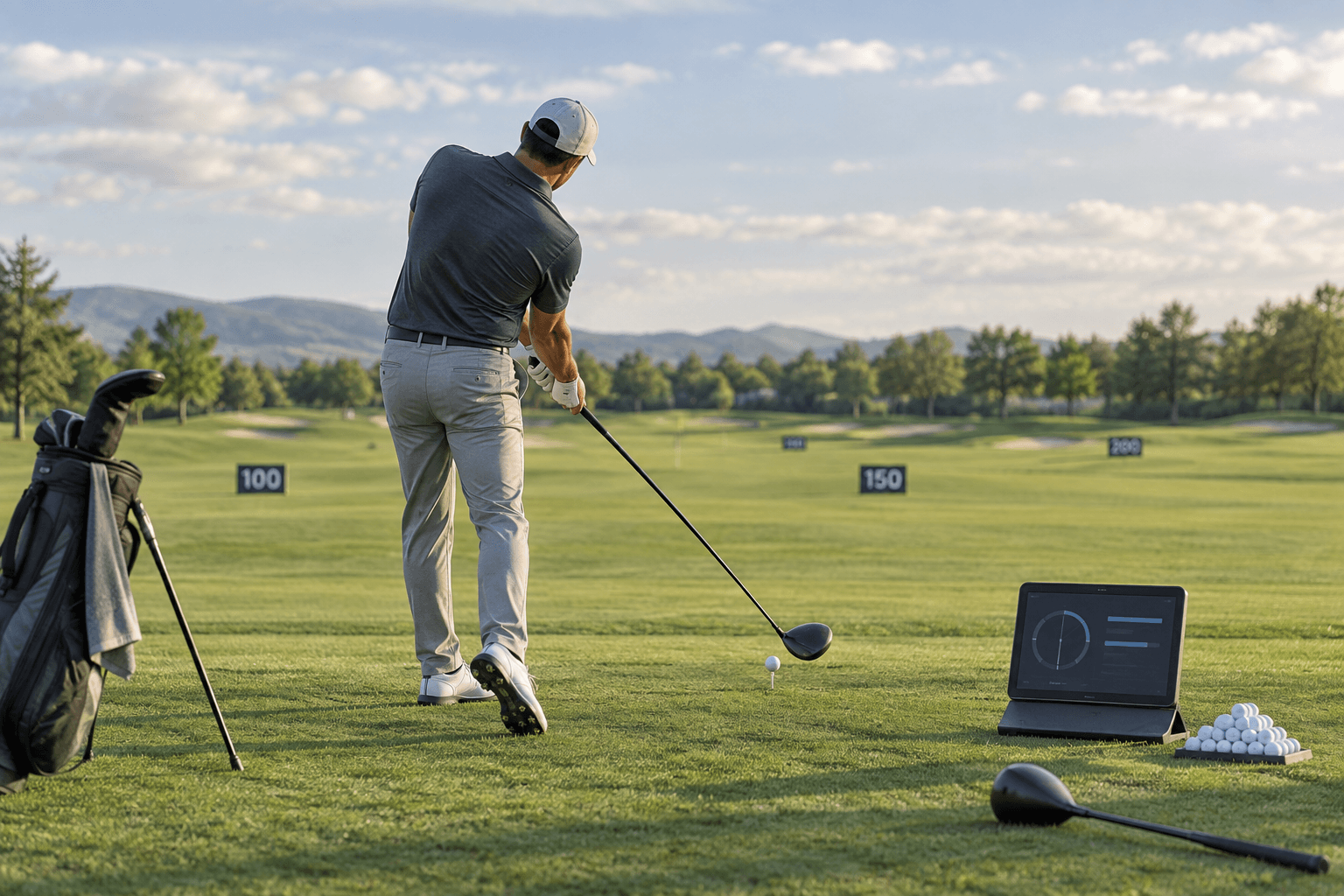
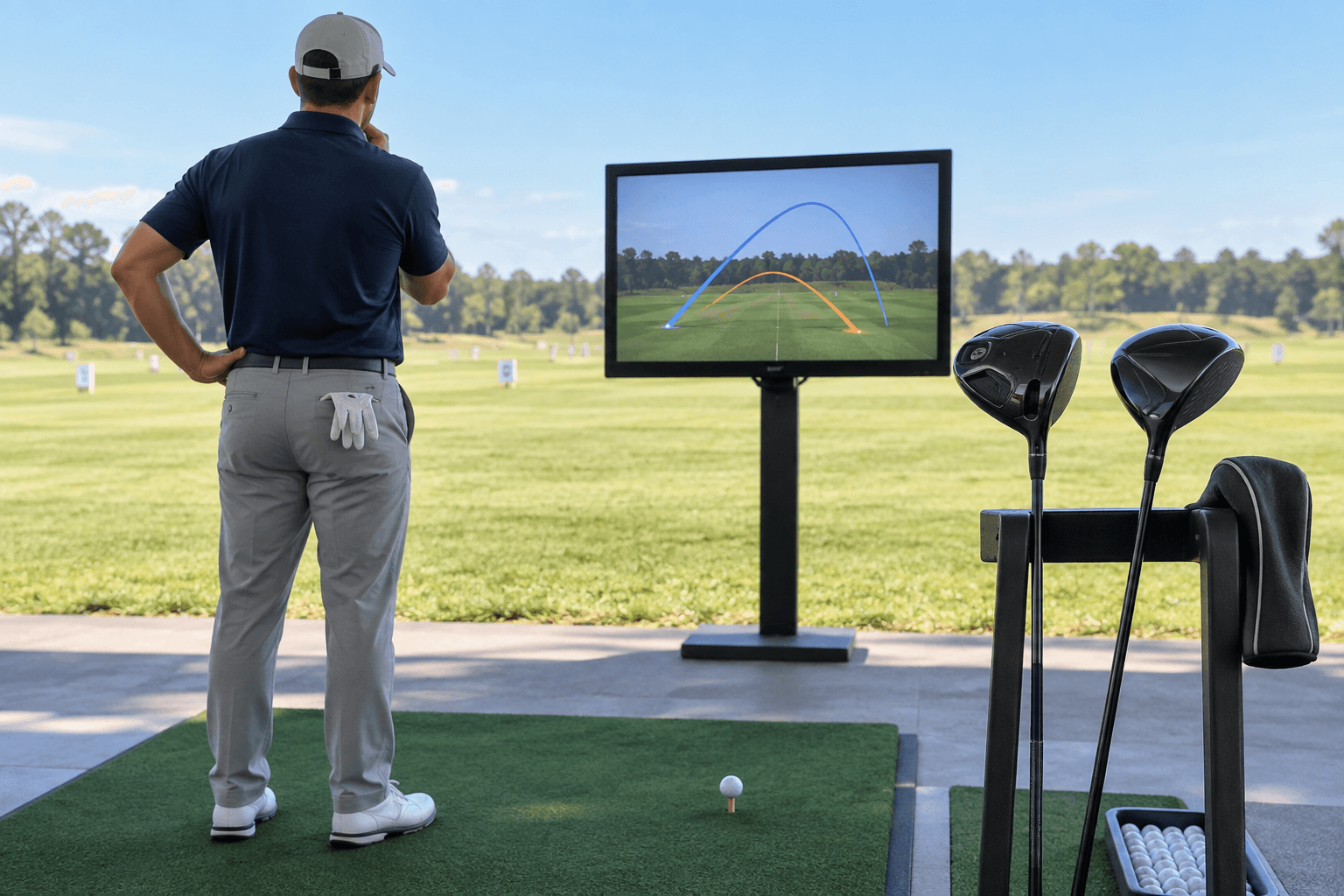
Most high handicappers swing the driver somewhere between 80 and 95mph, which usually calls for a regular or senior flex shaft, not stiff. A shaft that’s too stiff for your speed will feel like you’re swinging a broom handle and it won’t load properly, costing you both distance and consistency. If you genuinely don’t know your swing speed, a 15-minute session on a launch monitor at a driving range like a Trackman bay will tell you in seconds.
The Case for Delaying the Purchase
If your miss is wildly inconsistent — slicing one shot, hooking the next — a new driver won’t fix that on its own. Six lessons with a PGA pro focused on your setup and swing path, costing roughly £200 to £300 in total, often does more for your scores than any head upgrade. Buy the driver once your miss becomes predictable; that’s when adjustability and draw bias actually have something consistent to correct.
Common Buying Mistakes That Cost High Handicappers Strokes
Chasing the driver a tour pro plays is the single biggest waste of money in golf. Rory McIlroy’s swing speed and miss tendencies have nothing to do with yours, and a low-spin, low-launch head built for 115mph will punish a 30-handicapper’s mis-hits far more than a game-improvement model designed for exactly that swing.
Another common trap: assuming the priciest driver must be the most forgiving. In practice, mid-range models like the Cobra Darkspeed Max or Callaway Big Bertha 25 often test within a few yards of dispersion of their flagship siblings. The extra £150 to £200 on a premium model usually buys marginal aerodynamic gains, not a night-and-day forgiveness upgrade.
Finally, plenty of golfers ignore the draw-bias setting sitting right there in the adjustable hosel or weight track. Twisting the hosel a couple of degrees toward draw-bias, or sliding the heel weight forward, can turn a banana slice into a gentle fade without touching your swing. For more on dialling in your full setup, Golf Yet’s fitting guides walk through exactly what to check before you spend a penny.
Frequently Asked Questions
Do high handicappers need a higher loft driver?
Yes, most benefit from 10.5 to 12 degrees rather than a tour-style 9. Higher loft launches the ball higher with less sidespin, which usually adds carry distance and cuts down on slicing for slower swing speeds under 95mph.
Are expensive drivers actually more forgiving than budget ones?
Not always. Mid-range game-improvement drivers like the Cobra Darkspeed Max (£449) or Callaway Big Bertha 25 (£399) often test within a few yards of £599 flagship models on off-centre strikes.
Should I get fitted before buying a driver?
Yes, a 15-minute fitting session tells you your real swing speed, launch angle, and shaft flex, which matters more than the brand name. Many UK retailers, including major chains, offer free fittings with any purchase.
The United States Golf Association (USGA) and the R&A have introduced significant changes to the putting green rules to improve the pace of play and simplify the game.These modifications affect golfers of all levels, from…
Zero major championships. Twenty-plus years inside the world's top 25. That combination alone makes Matt Kuchar one of the strangest success stories in modern golf, and it's exactly why so many casual fans search "kuchar…
Scottie Scheffler won the 2024 Masters Tournament, making him the clear answer to who won the masters golf world's most prestigious event that April. He brought the same calm, methodical game that earned him his…