Bethpage Black Golf Course: Tips for Conquering the Course
9 July, 2026Logan Hart0 Comments1 category
Bethpage Black Golf Course sits on Long Island, New York, and it doesn’t pretend to be friendly. Before you even pull a club, a sign at the first tee tells you exactly what you’re in for. That warning isn’t a gimmick. It’s accurate. This guide is for golfers who want to play Bethpage Black smart, not just survive it.
Key Takeaways
Bethpage Black’s slope of 152 is near the maximum of 155
Handicap above 18? Skip the Black tees entirely
Blue tees (6,684 yds) are a smart choice for solid golfers
A caddie on your first visit saves more strokes than new gear
Lay up from deep rough — bogey beats double every time
Weekend standby line often starts at 5:00 a.m. or earlier
The Course That Warns You at the First Tee
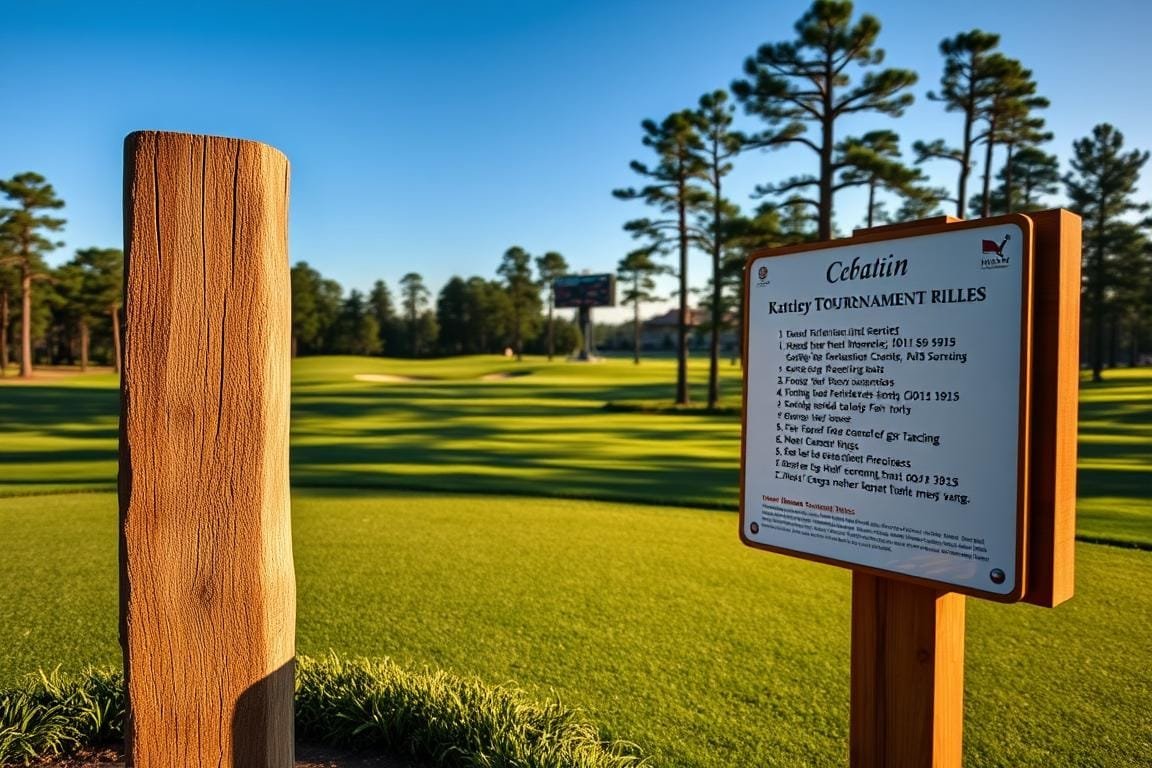
The sign at the first tee has been there for decades, and it reads plainly: this course is recommended only for highly skilled golfers.
The warning sign at Bethpage Black’s first tee reads: “Warning: The Black Course Is An Extremely Difficult Course Which We Recommend Only For Highly Skilled Golfers.” — Posted by the New York State Office of Parks, Recreation and Historic Preservation
That’s not marketing. It’s a genuine heads-up from the state of New York. Most public courses don’t post warnings. Bethpage Black does because the rough, elevation, and length genuinely punish mistakes. The course rating and slope we’ll cover below back up every word on that sign. Knowing what you’re walking into is the first step toward getting something out of the round.
Bethpage Black by the Numbers: Yardage, Rating, and Slope
Bethpage Black plays to 7,468 yards from the back tees, making it one of the longest public courses in the United States. That number alone tells part of the story. The slope rating and course rating tell the rest.
Tee
Yardage
Course Rating
Slope
Black (Back)
7,468
78.1
152
Blue (Middle)
6,684
73.8
140
White (Forward)
6,012
70.4
126
A slope of 152 from the back tees is near the top of the scale. The maximum is 155. For context, the average slope on a public course runs around 113. Playing the blue tees at 6,684 yards is a legitimate choice even for solid golfers, and it keeps the round from turning into a four-hour grind through the rough. The course has hosted the US Open four times, most recently in 2024, which speaks to how it holds up under professional conditions.
Getting a Tee Time: Online Reservations and the Standby Line
Bethpage Black tee times are managed through the New York State park reservation system, and demand runs high year-round. You have two real options: book online in advance or show up for the standby line. Both work — but they require different planning.
Booking Through the New York State System
New York State residents can reserve tee times through the New York State Parks online reservation portal (nysparks.com). Reservations open on a rolling basis, typically seven days out for non-members and up to 14 days for Empire Passport holders. Green fees for New York State residents run roughly $50–$65 on weekdays and $75–$90 on weekends as of recent seasons; non-residents pay more, often $100–$130 on weekends. Prices shift slightly year to year, so check the current schedule before booking.
Book as early as the window opens. Weekend morning tee times disappear within minutes.
How the Standby Line Actually Works
The standby system is real, and golfers use it regularly. You drive to Bethpage State Park and get in line before the course opens — many regulars arrive by 5:00 a.m. or earlier on weekend mornings. The starter works through the standby list and fills open slots as they appear from cancellations or no-shows.
There’s no guarantee you’ll get out, especially on a Saturday in May or June. Bring food, a chair, and patience. Weekday standby is far less competitive; arriving by 6:00 a.m. on a Tuesday gives you a solid shot. The standby line is also a good option if you want to play the Black Course specifically rather than one of the other four Bethpage courses.
What Bethpage Black’s Layout Will Do to Your Game
Bethpage Black will expose whatever weakness you have. Short hitters get buried by the length. Straight hitters get caught by the rough. Even accurate ball-strikers run into elevation changes that make club selection genuinely hard. The course tests every part of your game inside 18 holes.
The Rough, the Fairways, and Why Accuracy Beats Distance
The fairways are narrow by design, typically running 30–35 yards wide at most. Miss them and you’re in fescue rough that can run 4–5 inches during peak season. Trying to muscle a long iron out of that rough is one of the most common mistakes at Bethpage Black — it costs strokes and sometimes leads to injury. The smarter play from deep rough is almost always a wedge back to the fairway, even if it stings your ego. A bogey from a clean lie beats a double from a buried one every time.
Elevation Changes and Blind Shots That Catch Golfers Off Guard
The course drops and climbs throughout the round, with some holes changing elevation by 40 feet or more between tee and green. That matters for club selection. A downhill approach might play one to two clubs shorter than the yardage suggests, while an uphill shot into a green can demand an extra club even with a clean lie.
Several holes feature blind tee shots where you can’t see the landing zone from the box. The 4th hole is a good example — the fairway bends and drops, and first-timers regularly aim at the wrong line. Walking the course with a yardage book or a GPS watch helps, but nothing fully prepares you like seeing it once.
The Holes That Break Rounds (and How to Survive Them)
The 5th hole is the one most golfers remember for the wrong reasons. It’s a par 4 stretching over 478 yards from the back tees, with a severely sloped fairway that feeds balls into the rough even on decent drives. Laying up short of the slope with a 3-wood or long iron off the tee gives you a better angle than bombing a driver into the wrong section of fairway. The 15th, a long par 4 playing uphill into a small green, punishes anything short or left. Take your par and move on.
Club Selection and Scoring Strategy by Handicap
Your strategy at Bethpage Black should start before you leave the parking lot. The course plays differently depending on your skill level, and the golfers who score best are the ones who accept that early.
Here’s a practical framework by handicap range:
Set a realistic target score before you tee off. A 15-handicapper aiming for 90 on this course is setting up for frustration. Plan for 95–100 and play to that number.
Leave the driver in the bag on tight driving holes. The 5th, 10th, and 12th reward accuracy off the tee far more than raw distance.
Carry at least three wedges. The rough around Bethpage Black’s greens demands precise loft options. A pitching wedge alone won’t cover the variety of lies you’ll face.
Play to the fat part of every green. Most pins are tucked behind slopes or false edges, and going flag-hunting adds strokes.
Commit to the layup. Half-committed layups that still miss the fairway are worse than a full layup to a safe position.
Playing Smart as a Mid-to-High Handicapper
If your handicap index sits above 15, the Black tees are the wrong choice. Play the white tees at 6,012 yards. That’s not a compromise; it’s the correct decision for a good round. Focus on keeping the ball in play off the tee, and accept that some par 4s will play as three-shot holes for you. Bogey golf on the white tees at Bethpage Black is a legitimate achievement, and it keeps the round from turning into a slog.
Low-Handicap Strategy: Where You Can Attack
Single-digit handicappers can be aggressive, but selectively. The par 5s (holes 4 and 13) are reachable in two for longer hitters and are where you make up ground. The par 3s at Bethpage Black average over 200 yards, so club up and take the center of the green every time. Attack pins only when the miss leaves a simple chip, not a buried lie in fescue.
Should You Even Play Bethpage Black Right Now?
If your handicap index is above 18, hold off. Bethpage Black will grind you down rather than challenge you in a productive way. A round that takes 5.5 hours and ends with a score north of 110 isn’t a bucket-list memory. It’s a long, expensive walk through frustration.
The honest answer is that the course rewards golfers who can keep the ball in play consistently. If you’re hitting 10 or more fairways per round at your home course and your greens in regulation percentage is improving, you’re ready to attempt it. If you’re still fighting a big slice or struggling to break 95 regularly, spend a season getting sharper first.
That said, mid-handicappers who play the blue tees and go in with realistic expectations genuinely enjoy Bethpage Black. The scenery, the history, and the difficulty make for a memorable round when you’re prepared for it. Play the right tees, set a realistic score target, and treat every par as a win. The course will still test you. That’s the whole point.
What to Bring and How to Prepare Before You Arrive
Bethpage Black is a walking course — no carts on the Black. That single fact shapes everything you need to bring. You’re covering roughly 7,468 yards on foot, often over hilly terrain, and rounds regularly run five hours or more.
Wear broken-in golf shoes, not new ones you’re testing for the first time. Turf interaction on a course this firm and hilly will punish soft or worn soles. Bring at least two gloves; sweat and grip fatigue are real by the back nine.
Pack more water than you think you need — a minimum of 32 ounces before you factor in summer heat. There’s a snack bar near the clubhouse, but once you’re on the course, you’re on your own for most of the round. A few energy bars in your bag are worth the extra ounce.
A yardage book specific to Bethpage Black is available at the pro shop for a few dollars and is worth every cent for reading elevation changes. A GPS watch works too, but it won’t show you the slope angles that affect shot shape. Caddies are available on weekends; if you can budget roughly $100 plus tip, a caddie on your first visit will save you more strokes than any equipment upgrade.
Frequently Asked Questions
How long does a round at Bethpage Black take?
Expect five to five and a half hours on a weekend. Weekday rounds move faster, closer to four and a half hours. The course actively manages pace of play, but the difficulty keeps groups on the slower side regardless.
Can beginners play Bethpage Black?
Beginners should skip it. The course is genuinely punishing for golfers who can’t keep the ball in play. A handicap index above 18 means the Black tees will produce more frustration than enjoyment. The other four Bethpage courses (especially the Green or Red) are far better fits for newer players.
What is the green fee at Bethpage Black?
New York State residents pay around $80–$90 for a weekday round and roughly $100–$110 on weekends. Non-residents pay more, often in the $150–$170 range. Prices adjust periodically, so check the New York State Parks reservation system for current rates before booking.
Do you need a caddie at Bethpage Black?
No, caddies aren’t required. On a first visit, though, hiring one is a smart investment. The elevation changes and blind shots are hard to read from a yardage book alone. An experienced local caddie knows exactly which side of the fairway protects you on the toughest holes.
Why Choosing the Right Golf Clubs for Starters Matters in 2026 Starting golf with the wrong equipment is one of the most common reasons new players give up before they ever find their rhythm. The…
Participating in a golf tournament can be a thrilling experience, whether you're a seasoned competitor or a casual player in a charity event. Understanding the rules that govern these competitions is crucial for ensuring fair…
The Ambrose golf format is a popular team-based approach to the game that allows golfers of various skill levels to compete together effectively.Named after Richard and Mary Ambrose, who introduced this format in Australia during…