9 Best Golf Putters for 2026: Something for Everyone
24 August, 2026Logan Hart0 Comments1 category
Miss five putts right of the hole in a single round and most golfers blame the green. Usually it’s the putter. The single biggest lever on your putting isn’t the badge on the headcover, it’s whether the putter’s design matches the shape of your stroke, and that’s the whole point of chasing down good golf putters for 2026 rather than just the priciest one on the rack.
This guide skips the “top pro’s putter” fluff and gets into what actually changes your ball roll: face balance, insert material, length, and stroke arc. By the end you’ll know which of the nine picks below fits your game, not just your budget.
Mallet vs Blade: Which Shape Actually Suits Your Stroke?
Mallets forgive more on off-centre strikes; blades reward a cleaner, more consistent stroke and let skilled players work the ball better on tricky reads. Neither is “for beginners” or “for pros” — that’s an outdated myth worth killing off straight away.
Straight-Back-Straight-Through Strokes
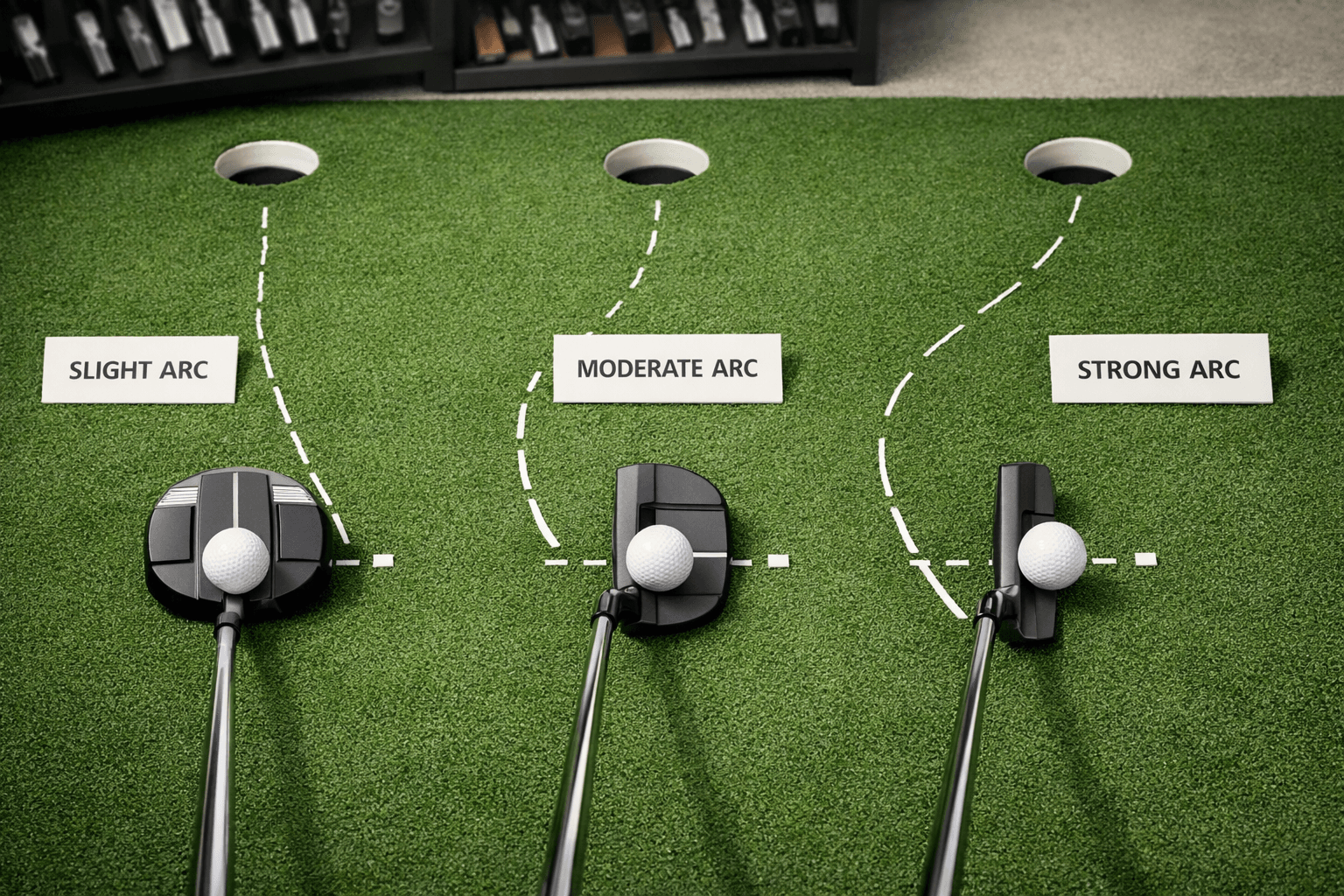
If your putter moves in a fairly straight line with minimal rotation, you want a face-balanced putter, usually a mallet. The TaylorMade Spider Tour is built exactly for this stroke type, with perimeter weighting that resists twisting on off-centre hits. Odyssey’s Ai-One Double Wide sits in the same camp and costs around £329.
Arc Strokes (Slight to Strong)
Golfers whose putter face opens on the backswing and closes through impact need some toe-hang, found in classic blade shapes. The Scotty Cameron Special Select Newport 2 is the gold standard here, priced around £399, and its heel-toe weighting naturally follows an arc stroke rather than fighting it.
The Middle Ground
Plenty of players sit between the two extremes, and that’s where slight-arc mallets like the Odyssey Ai-One Seven earn their keep. They give you some forgiveness without the full face-balanced feel, which suits anyone who’s changed their stroke over the years but never got properly checked.
Nine Good Golf Putters for 2026, Compared
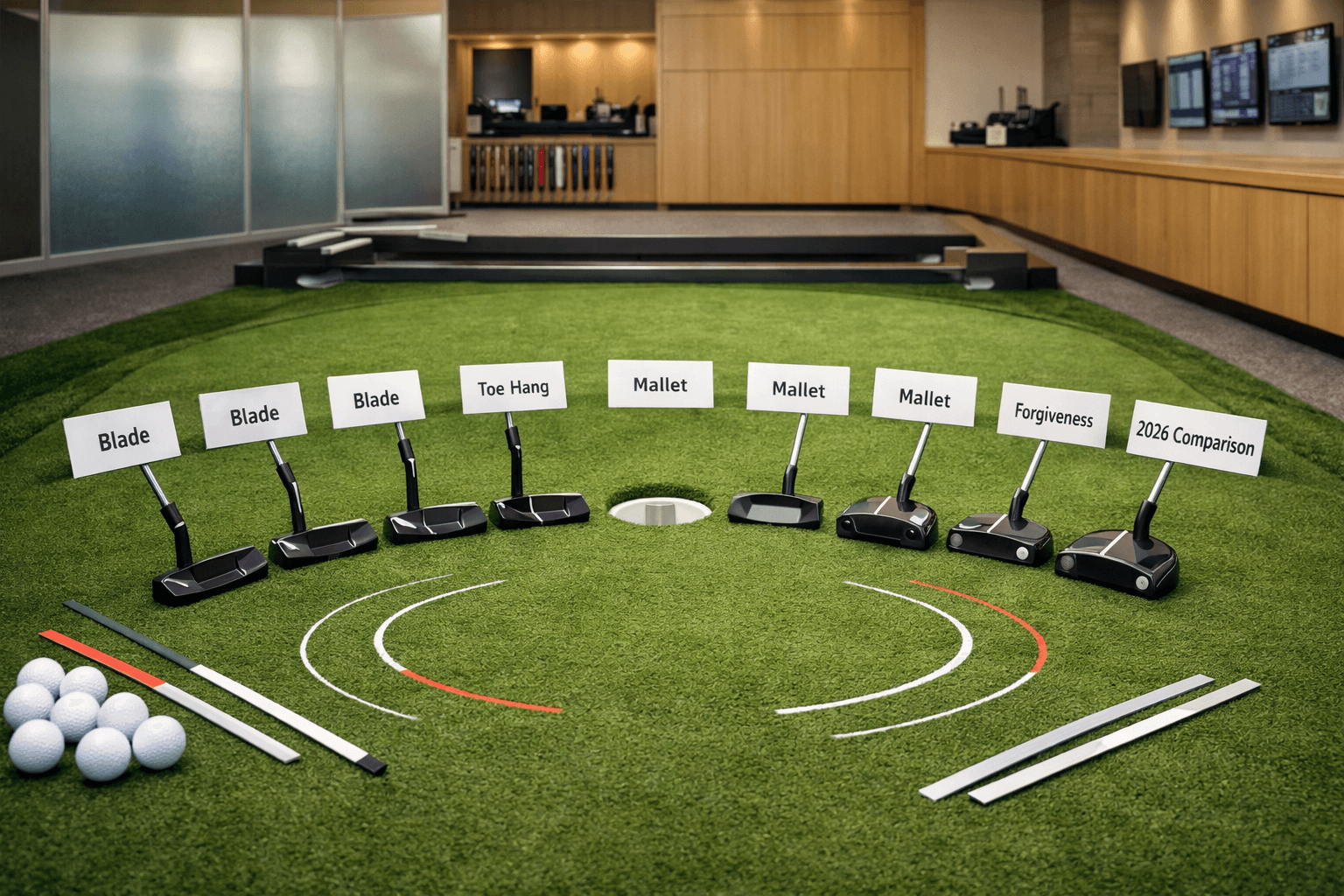
Rather than rank these by hype, we’ve grouped them by who they actually suit. Prices are approximate UK retail as of early 2026 and will shift a little between retailers like American Golf and Clubhouse Golf.
Putter
Style
Best For
Approx. Price
Scotty Cameron Special Select Newport 2
Blade
Arc stroke, better players
£399
TaylorMade Spider Tour
Mallet
Straight stroke, forgiveness
£329
Odyssey Ai-One Double Wide
Mallet
Face-balanced beginners
£329
Odyssey Ai-One Seven
Slight mallet
Middle-of-the-road strokes
£299
Ping Fetch
Mini mallet
Speed control, soft feel
£229
Cleveland HB Soft 2
Blade/mallet hybrid
Budget-conscious players
£139
Wilson Infinite Putter Range
Blade
Entry-level buyers
£99
PXG Battle Ready II
Blade
Feel-focused players
£349
Bettinardi Queen B
Blade
Traditionalists wanting soft steel feel
£399
The Cleveland HB Soft 2 deserves a special mention for anyone on a tighter budget: it uses a soft aluminium face insert that mimics a much pricier putter’s feel for well under £150. That’s a genuinely good value pick, not a compromise.
Face Inserts and Alignment Aids: The Bit Everyone Skips
Face insert material changes how the ball comes off the putter, and it matters more than most golfers realise. Softer inserts (aluminium, polymer) give a gentler feel and reduced skid, while firmer inserts or milled steel faces (like on the Bettinardi Queen B) give crisper feedback for players who putt aggressively.
Alignment aids aren’t decoration either. A single sightline down the centre suits players who read greens simply, while multi-line mallets like the Spider Tour help golfers who tend to misread their intended line under pressure. If you’ve ever set up dead straight and still pushed one right, poor alignment habit is often the real culprit, not a bad stroke.
Grip size plays into this too. A thicker grip (like a 1.3 or 1.6 SuperStroke) quietens your hands and reduces wrist breakdown on shorter putts, which suits anyone who’s been missing inside 6 feet. Thinner grips give more feedback but demand steadier hands.
Getting Fitted Without Paying for a Fitting
You don’t need a £150 launch monitor session to work out your rough stroke type. A five-minute check at home tells you most of what a fitting bay would, and it costs nothing.
Here’s a simple sequence to run through before you buy anything:
Set up on a flat carpet or practice green and hit ten putts from 6 feet, watching only the putter head’s path.
Note whether the face stays square, opens on the backswing, or barely moves at all.
Check your miss pattern over those ten putts — consistent pushes or pulls tell you more than random misses.
Measure your posture: if your eyes sit noticeably inside or outside the ball, your current putter length is probably wrong.
Try a longer and shorter putter (borrow one from a mate) to see which keeps your stroke path more consistent.
Match what you found to the “Which Shape Actually Suits Your Stroke” section above before you shop.
Sites like golfyet.com run through fitting basics like this in more depth if you want a second checklist to cross-reference before spending real money. Skipping this step is exactly how golfers end up blaming a good putter for a stroke problem it was never built to fix.
Length and lie angle get ignored constantly, and it’s a costly mistake. A putter that’s too long forces you to stand tall and lose control of the face; too short and you’ll hunch, crowding the ball and pulling putts left. Standard length is 33-35 inches, but if you’re above 188cm or well under 170cm, get it checked before buying off the shelf.
Frequently Asked Questions
Do expensive putters actually putt better than budget ones?
Not automatically. A £399 Scotty Cameron won’t fix a mismatched fitting, and a £139 Cleveland HB Soft 2 that suits your stroke will outperform a premium blade that doesn’t. Fit beats price every time.
Is a mallet putter better for beginners than a blade?
Not necessarily — mallets forgive off-centre hits, which helps early on, but a beginner with a strong arc stroke will actually fight a face-balanced mallet. Match the shape to your stroke pattern, not your experience level.
How do I know if my putter length is wrong?
Watch your posture at address: hunching or standing unusually tall signals a length mismatch. Standard lengths run 33-35 inches, and anyone outside average height (188cm+ or under 170cm) should get this checked before buying.
Miniature golf is a fun game enjoyed by people of all ages, offering a unique blend of entertainment and friendly competition. Whether you're looking to improve your short game or simply have a good time,…
The iconic green jacket is a symbol of excellence in golf, representing a golfer's achievement at the prestigious Masters Tournament.The tradition of wearing the green jacket began in 1937 at Augusta National Golf Club, initially…
Six men have won the Masters Tournament more than once, and understanding who they are tells you almost everything about what Augusta National rewards. If you're searching for master golf winners, you're in the right…