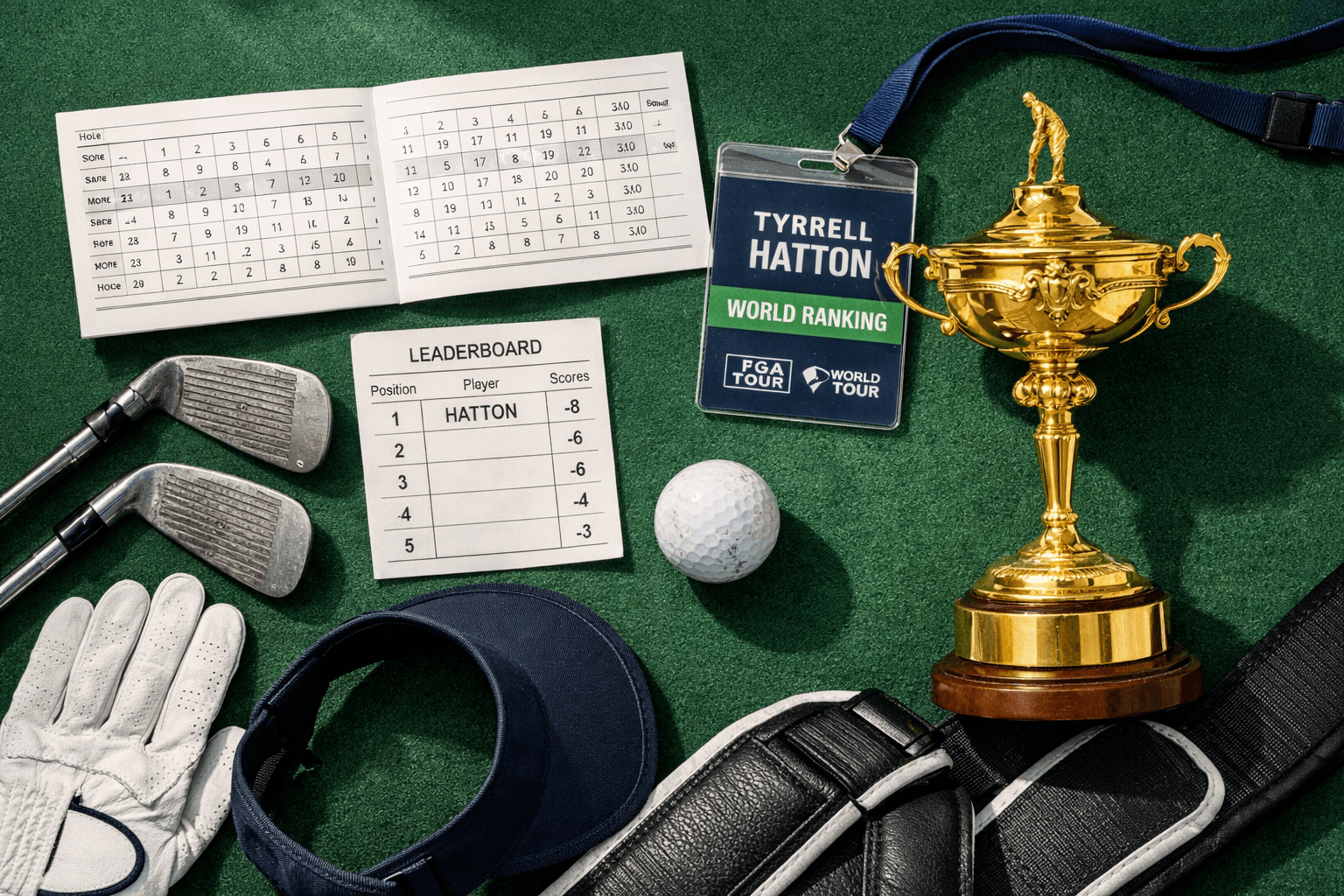
Slam a club into the turf hard enough and people remember your name for it. But the Hatton golfer everyone recognises from that viral moment is also a five-time DP World Tour winner, a PGA Tour champion, and one of the most feared iron players in the game. Tyrrell Hatton’s reputation for fireworks tends to overshadow just how good he actually is with a golf club in his hands.
If you’ve searched “Hatton golfer” wanting the full picture, career highlights, ranking history, equipment, and what makes his swing tick, you’re in the right spot. This isn’t just a highlight reel. It’s a look at why his style matters for anyone trying to play smarter under pressure.
Tyrrell Hatton’s Career and Biggest Wins
Tyrrell Hatton, born in High Wycombe in 1991, turned professional in 2011 and built his name on the DP World Tour before breaking through on the bigger stages. His breakthrough win came at the 2016 Alfred Dunhill Links Championship, which pushed him into the world’s top 50 for the first time.
European and PGA Tour Silverware
Hatton has racked up wins across both major tours. On the DP World Tour, he’s claimed titles including the Alfred Dunhill Links Championship and the Italian Open, while his PGA Tour breakthrough arrived in dramatic fashion.
His biggest US win to date is the 2020 Arnold Palmer Invitational at Bay Hill, where he held off Rory McIlroy in tense final-round conditions. That win moved him inside the world’s top 10 for the first time and confirmed he could win on America’s biggest stages, not just in Europe.
Majors: Close, But Not Yet Over the Line
Here’s the correction worth making clearly: Hatton has not won a major championship. His best major finishes sit in the top 10, including a tie for 5th at the 2021 US PGA Championship, but the green jacket, Claret Jug, and major trophies have stayed out of reach so far. That’s not a knock on his ability, it’s simply the gap between “very good pro” and “major champion” that separates hundreds of talented players.
World Ranking and Ryder Cup History
Hatton has spent extended stretches inside the world’s top 20, peaking in the top 5 during his strongest run around 2020 and 2021. Ranking isn’t just a vanity number for him, it’s shaped his Ryder Cup selections and tournament invites.
He’s played Ryder Cup for Team Europe multiple times, including the 2018 edition at Le Golf National, where Europe won comfortably, and again in 2023 at Marco Simone. His match-play temperament, love him or wince at him, tends to suit team golf, where aggression and emotional intensity often play in a player’s favour rather than against it.
The LIV Golf Question, Answered Properly
Hatton joined LIV Golf in 2023, and plenty of fans assumed that automatically ended his Ryder Cup career. It didn’t, at least not by rule alone. Eligibility depends on DP World Tour membership and points, which is a separate issue from which tour a player competes on, and the rules around this have shifted and been contested since LIV’s arrival. Don’t assume a LIV move equals an automatic Ryder Cup ban; check current Ryder Cup eligibility rules before repeating that claim, because it’s more complicated than a simple yes or no.
What His Playing Style Actually Teaches You
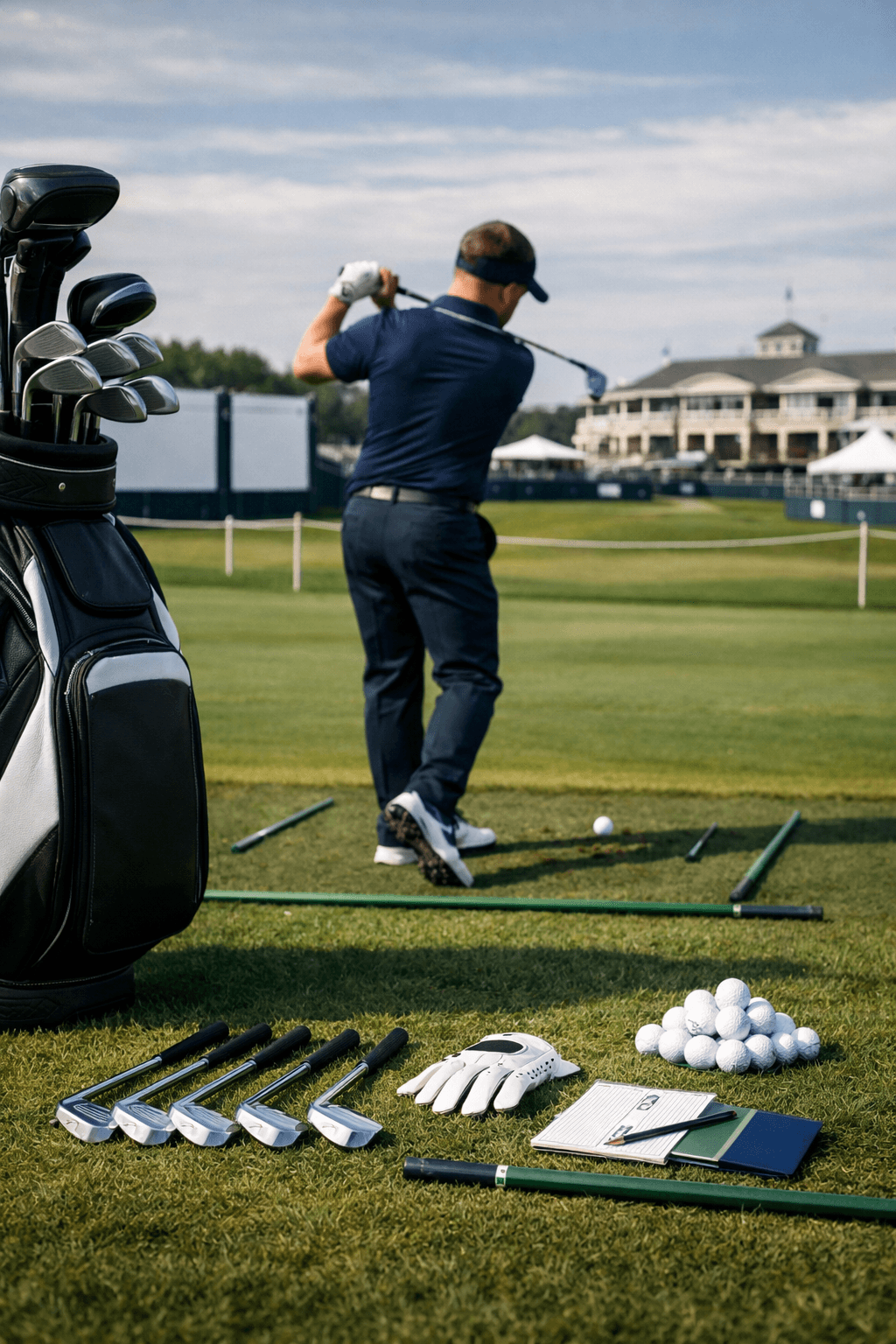
Forget the temper for a second. Hatton’s game is built on a low, boring ball flight with heavy spin, the kind of shot that holds up in wind and stops fast on firm greens. That’s a deliberate risk-reward choice, not an accident, and it’s the part casual golfers can genuinely learn from.
Low-Ball, High-Spin: The Trade-Off
A low-spinning, high-launching shot flies further but rolls out unpredictably. Hatton’s flatter, spinnier flight sacrifices some distance for control, which matters more on tight, tree-lined courses or in the kind of gusty coastal conditions you get at somewhere like Royal Birkdale. If you play links golf regularly, this is the shot shape worth practising over a high, soft one.
Shot-Shaping Under Pressure
Hatton commits fully to a shot before he hits it, then reacts loudly if it doesn’t come off. That combination, elite technical decision-making paired with visible frustration, is proof that temperament and skill aren’t opposites. Plenty of golfers assume a player who slams clubs must be losing control of his swing too. Hatton’s ball-striking stats say otherwise; he’s consistently ranked among the tour’s better iron players for accuracy and proximity to the hole.
Building the Same Discipline Into Your Own Game
You don’t need his fire to copy his logic. Try these steps the next time you’re deciding on a shot into a firm green or a tucked pin:
Check the wind and firmness before picking a club, not after.
Favour a lower flight when the pin is tucked behind a bunker or slope.
Commit to one shot shape and don’t second-guess mid-swing.
Accept a bad result calmly, then reset for the next shot.
Practise spin control on the range, not just distance.
Golf Yet has more swing breakdowns like this if you want to dig into how tour players actually build their shot selection, rather than just watching the reaction after.
Equipment and Setup Behind the Aggression
Hatton’s aggressive style is backed by specific gear choices, not just raw talent. He’s used Titleist irons and a Titleist driver through most of his best seasons, paired with a blade-style putter that suits his more feel-based short game.
Category
Typical Choice
Why It Fits His Style
Driver
Titleist TSR/TSi series
Lower spin off the tee for control in wind
Irons
Titleist T100/AP2-style blades
Precision and workability over forgiveness
Ball
Titleist Pro V1x
Higher spin around greens for stopping power
Putter
Blade-style
Suits a feel-based, aggressive putting stroke
The takeaway for weekend players isn’t “buy his exact clubs.” It’s that gear built for control and workability, rather than maximum forgiveness, only pays off if your ball-striking is consistent enough to demand it.
Frequently Asked Questions
Has the Hatton golfer ever won a major championship?
No. Tyrrell Hatton’s best major result is a tie for 5th at the 2021 US PGA Championship. His wins have come on the DP World Tour and PGA Tour, including the 2020 Arnold Palmer Invitational, but a major title hasn’t come yet.
Is Tyrrell Hatton still eligible for the Ryder Cup after joining LIV Golf?
Eligibility isn’t automatically cancelled by a LIV move; it depends on DP World Tour membership and points requirements, which have been contested and adjusted since 2023. Check the current rules rather than assuming a blanket ban applies.
Why does Tyrrell Hatton get so angry on the course?
His visible frustration comes from holding himself to a high standard on shots he considers gettable. It coexists with elite ball-striking, so the temper reflects intensity, not a lack of control over his swing.
Slope rating 148. That's what Spyglass Hill Golf Course carries from the tips, a number that puts it ahead of Pebble Beach Golf Links on paper despite getting a fraction of the TV time. Say…
Mastering the short game is crucial for any golfer looking to improve their overall performance. One technique that has gained popularity among golfers is the Golf Rule of 12, a simple yet effective method for…
Mastering the art of chipping can be a daunting task, even for experienced golfers. The chipper, a specialized club, has emerged as a solution to the challenges faced when attempting delicate chip shots around the…