Harbour Town Golf Links: A Must-Play Destination for Golfers
17 July, 2026Logan Hart0 Comments1 category
Harbour Town Golf Links opened in 1969 on Hilton Head Island, South Carolina, and it immediately changed how designers thought about what a great golf course could be. It’s not long. It’s not wide open. It doesn’t reward raw power — and that distinction is exactly what draws serious golfers back year after year.
The course sits inside Sea Pines Resort at the southern tip of Hilton Head, about 45 minutes from Savannah/Hilton Head International Airport. If you’re planning a bucket-list round in the Southeast, this is the one most golfers put at the top of the list.
Key Takeaways
Harbour Town rewards precision, not power — accuracy beats distance every hole
14 of 18 holes have water in play; lay-up strategy is often the smart choice
Green fees run $350–$425; twilight rates drop to $200–$275
Play one tee box shorter than usual for a more enjoyable round
Best time to visit: late March through May; avoid July–August heat
Handicap 21+? Play Heron Point first before spending $400 here
A Legendary Par-71 on Hilton Head Island
Harbour Town Golf Links is a par-71 layout measuring roughly 7,099 yards from the back tees, which sounds manageable until you play it. The tight Bermudagrass fairways, overhanging oaks, and lagoons make every yard count. This isn’t a course where you grip it and rip it — placement off the tee defines your entire hole.
Pete Dye, on designing Harbour Town with Jack Nicklaus in 1969: “We wanted a course where the best shot wins, not the longest shot.” (Attributed widely in golf history coverage; paraphrased from Dye’s public remarks on the design.)
Pete Dye and Jack Nicklaus Built Something Unusual
Pete Dye was already developing his reputation for deceptive, punishing designs when he partnered with a 29-year-old Jack Nicklaus on Harbour Town. It was one of Nicklaus’s first significant design collaborations, and the influence shows. The course features railroad tie bulkheads along water hazards, a Dye signature, and small greens that average under 4,000 square feet — tiny by any modern standard.
The combination of narrow corridors and undersized greens was deliberately unconventional for its era. Most 1960s American courses favored wide fairways and large target greens. Dye and Nicklaus went the opposite direction, and the result holds up more than 50 years later.
How Harbour Town Fits Into Sea Pines Resort
Sea Pines Resort operates three courses: Harbour Town Golf Links, Heron Point by Pete Dye, and Atlantic Dunes by Davis Love III. Harbour Town is the flagship. It sits along Calibogue Sound, and the back nine runs closest to the water, where afternoon wind off the sound can shift club selection by two or three clubs on exposed holes.
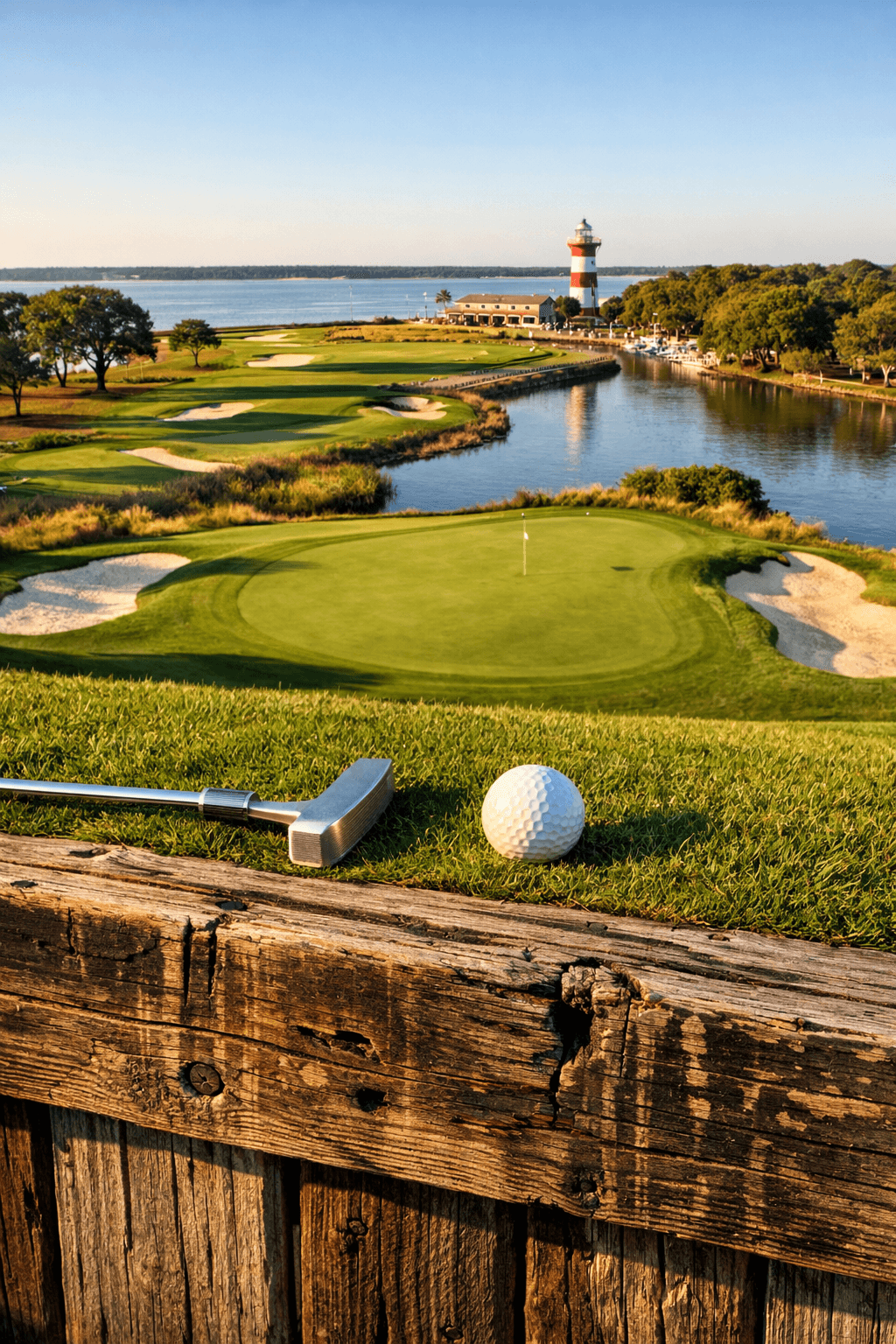
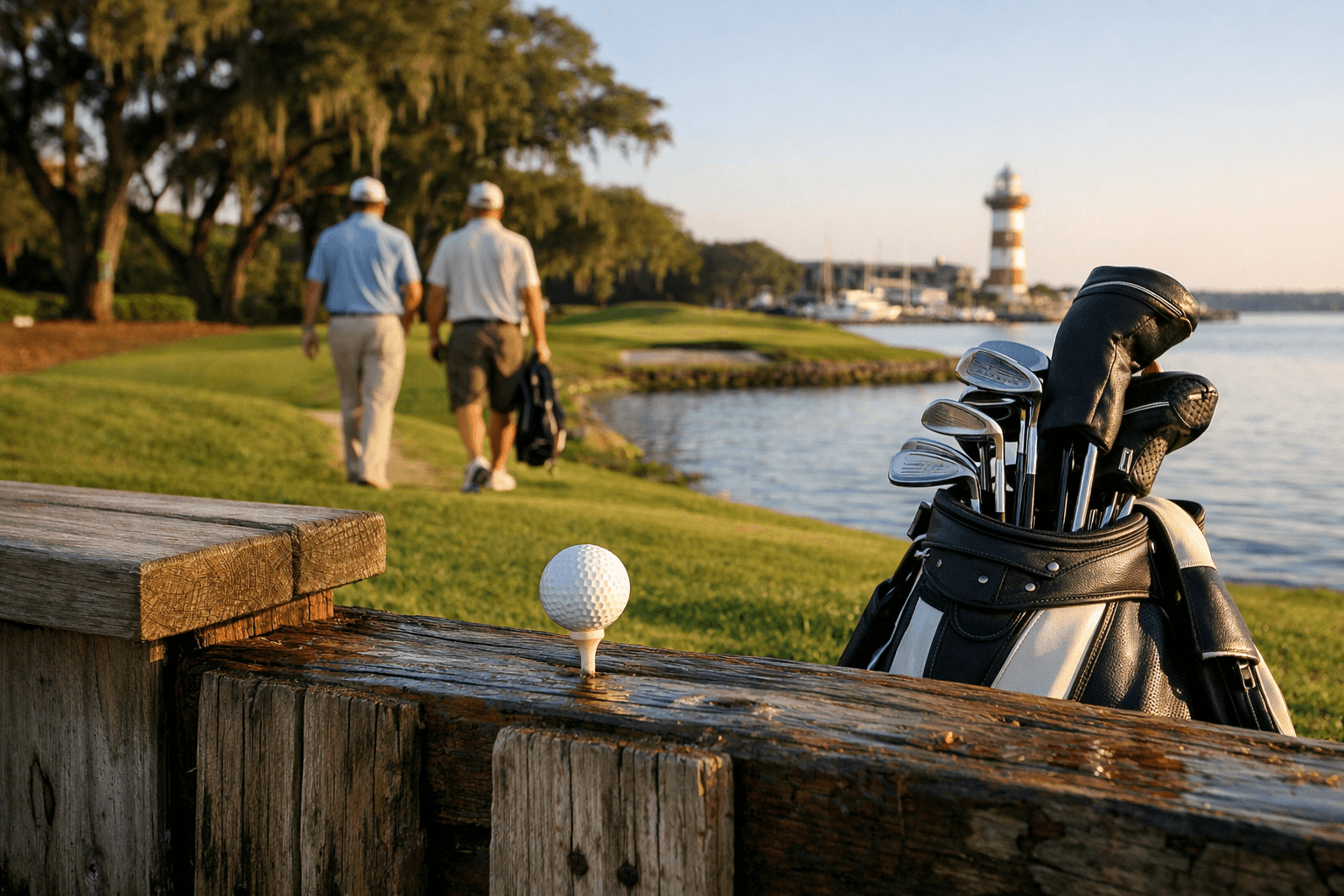
The iconic red-and-white striped lighthouse at the 18th hole is technically a private navigational aid on Sea Pines property, not a public lighthouse. It’s become the visual symbol of the entire resort — and of the RBC Heritage PGA Tour event held here every April.
Course Layout: Short Yardage, Unforgiving Design
At roughly 7,099 yards from the tips and playing to a course rating around 75.0 with a slope rating of 144, Harbour Town is harder than its yardage suggests. Most resort players will play the white or gold tees, which bring it down to the 6,100–6,500 yard range — but the difficulty doesn’t shrink much with the shorter tees because the fairways stay just as narrow.
Tee
Approximate Yardage
Par
Course Rating / Slope
Black (Back)
7,099
71
75.0 / 144
Gold
6,530
71
72.3 / 137
White
6,119
71
70.2 / 131
Red (Forward)
5,284
71
70.8 / 126
Why Accuracy Beats Distance Here
Fourteen of the 18 holes have water in play, and the fairways are bordered by old-growth live oaks and pines that don’t forgive a stray shot. A 280-yard drive into the rough here is worse than a 240-yard drive in the fairway. Lay-up strategy is not just acceptable — it’s often the smart play, even for low handicappers.
The par-4s average around 400 yards from the back tees, which is short by modern tour standards. But those par-4s play longer than the numbers suggest when you’re hitting from pine straw or a hanging lie under an oak canopy.
The Greens Are the Real Trap
The greens at Harbour Town average well under 5,000 square feet, and many are contoured with subtle breaks that don’t reveal themselves on first read. Missing a green by 10 feet often means a delicate chip from tight Bermudagrass fringe or a recovery from a closely mowed runoff area.
Mid-handicappers who expect generous bail-out areas will be surprised. There aren’t many. The greens also firm up quickly in the South Carolina heat, which makes stopping the ball a real challenge during summer rounds.
The 18th Hole and Other Holes Worth the Trip
The 18th at Harbour Town is the most photographed finishing hole in South Carolina golf, and it earns that status. But several other holes define the round just as much, and knowing what to expect on them changes how you play the whole back nine.
No. 18: The Lighthouse Hole Explained
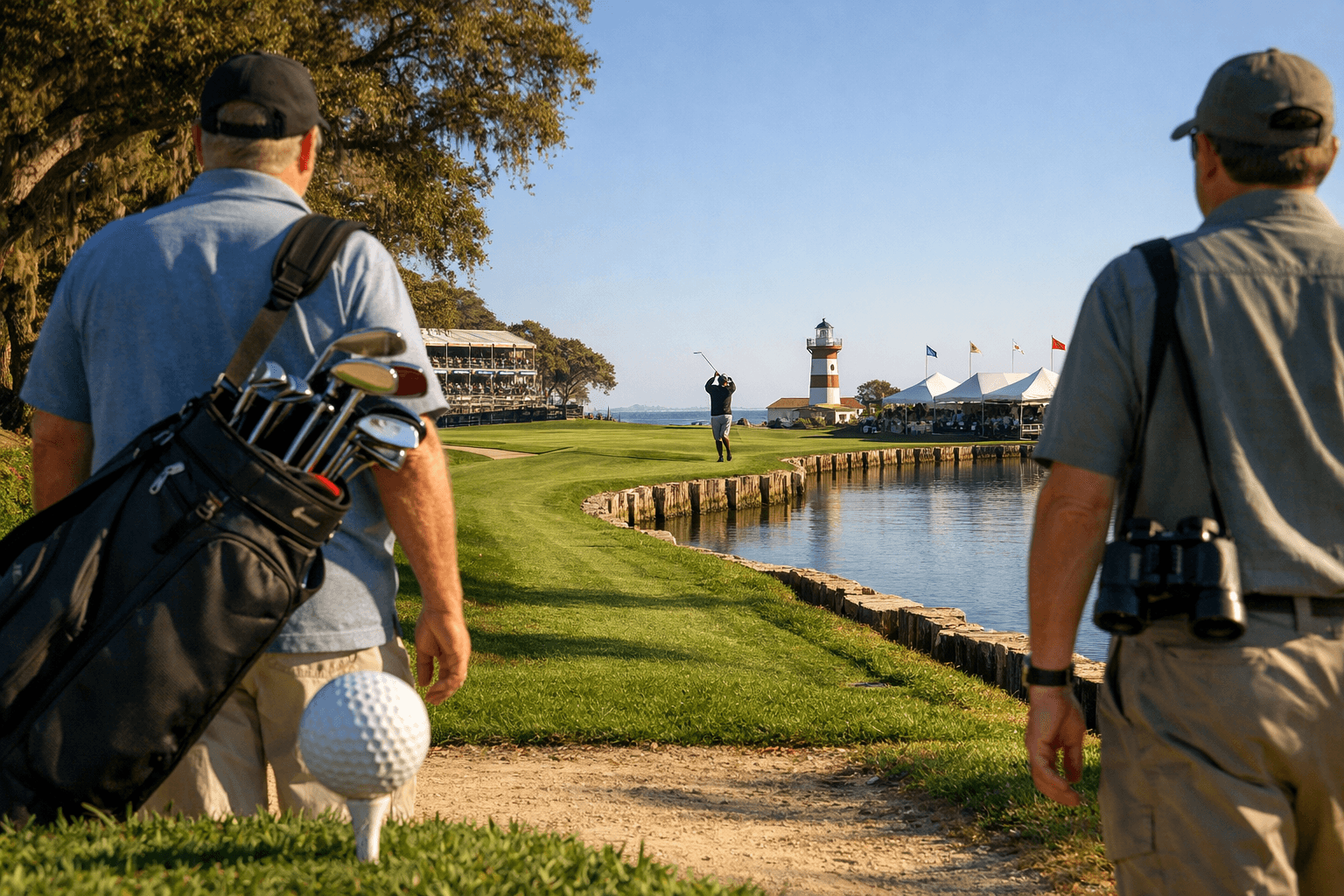
The 18th is a par-4 playing 478 yards from the black tees (around 440 from the gold). It runs along Calibogue Sound with water left the entire length of the hole. The tee shot demands a precise fade or a straight drive that avoids the water left and the trees right — there’s almost no margin for error.
The approach plays to a green fronted by a bunker and backed by the crowd grandstands during RBC Heritage week. The lighthouse sits directly behind the green, making it one of the most recognizable finishing images in golf. In calm conditions it’s a reachable par-4 for strong players; with a 15-mph wind off the sound, it plays like a completely different hole.
Three Other Holes That Define the Round
No. 14 is a par-4 of about 405 yards that doglegs left around a lagoon. The aggressive line shaves 30 yards off the approach but carries water on the corner — most recreational golfers should take the safe right side and accept a longer iron in.
No. 17 is a short par-3, roughly 185 yards from the back tees, over water to a green that’s barely 30 feet wide at its narrowest point. Club selection matters less than landing zone selection. Aim for the fat part of the green and take your par.
No. 2 sets the tone early: a 503-yard par-5 with Calibogue Sound visible in the distance and trees pinching both sides of the fairway. It’s reachable in two for longer hitters, but the second shot requires a precise carry over a fronting bunker. Making a mess of No. 2 before you’ve settled into the round is a common mistake.
Green Fees, Tee Times, and What Access Actually Costs
Green fees at Harbour Town Golf Links run roughly $350–$425 per round for resort guests, depending on season. Non-resort visitors pay a similar rate but also face a Sea Pines Resort gate fee of around $10 per vehicle to enter the property.
Player Type
Estimated Green Fee
Gate Fee
Total Estimate
Sea Pines Resort Guest
$350–$425
Waived
$350–$425
Outside Visitor
$350–$425
~$10
$360–$435
Twilight Rate (after 3 pm)
$200–$275
~$10
$210–$285
Do You Have to Stay at Sea Pines to Play?
No. Outside visitors can book tee times directly, though staying on-resort gives you easier access and waived gate fees. Sea Pines Resort guests also tend to get priority booking windows, so prime morning slots on weekends fill fast.
How to Book and What to Expect at the Gate
Book through the Sea Pines Resort website or call the pro shop directly. Tee times open roughly 60 days out for resort guests and 30 days out for the public — confirm the current window when you call. Arrive at the main Sea Pines gate with your tee time confirmation; the guard will wave you through. Caddies are available but require advance arrangement through the pro shop. Looping with a forecaddie is worth the cost on a first visit given how much local knowledge matters here.
The RBC Heritage: What the PGA Tour Event Means for Visitors
The RBC Heritage runs each April, typically the week after the Masters. It’s one of the few PGA Tour events held on a course open to public play, which makes it a genuine bucket-list pairing — watch the pros on Saturday, play the same layout on Monday.
The course closes to public play during tournament week, so plan around it. Tickets are available through the RBC Heritage official site, and practice round tickets are the most affordable way to walk the course alongside tour players. Grandstands go up around No. 18 starting about two weeks before the event, and the atmosphere around that finishing hole is unlike anything else on Hilton Head.
Is Harbour Town Worth It for Your Skill Level?
For single-digit handicappers, Harbour Town is absolutely worth the green fee. The precision demands reward good ball-strikers, and the course holds up under repeat play. For higher handicappers, the honest answer is more complicated.
Scratch to 9 handicap: You’ll enjoy every hole. The tight design tests your shot-shaping, and the greens reward a calibrated short game.
10 to 15 handicap: Expect to lose balls and grind on the greens. The round is still memorable, but budget for a high score.
16 to 20 handicap: The course will be frustrating in stretches. Go for the experience and the 18th hole, not the scorecard.
21 and above: Consider playing Heron Point or Atlantic Dunes first to build familiarity with Sea Pines conditions before spending $400 here.
What Mid- and High-Handicappers Should Know
The small greens and tight fairways punish inconsistency more than any other factor. A mid-handicapper who hits 8 of 14 fairways on a normal course might hit 4 here. That compounds fast. Expect to make bogeys and accept them. Chasing pars into trouble is where rounds fall apart at Harbour Town.
Tips That Will Save You Strokes
Play one tee box shorter than you normally would. The white tees at 6,119 yards give you a more enjoyable round without making the course feel trivial. On approach shots, aim for the center of the green every time. The pin positions at Harbour Town are rarely worth attacking. On No. 17, take the middle of the green and move on.
Best Time to Play and What to Do Beyond the Course
Spring and fall are the best windows for harbour town golf links. April through early June brings mild temperatures, lower humidity, and firm fairways. October and November are equally good. Avoid July and August. Heat indexes regularly hit 105°F on Hilton Head, and afternoon thermal convection thunderstorms can shut down play with little warning.
When Course Conditions Peak
Late March through May is the sweet spot. The Bermudagrass fairways and greens are fully active, the course is freshly prepped from RBC Heritage week, and morning tee times sit in the low 70s. Book a morning round. Afternoon wind off Calibogue Sound picks up noticeably after noon and changes club selection on half the holes.
Hilton Head Attractions Worth Pairing With Your Round
Coligny Beach Park is 10 minutes from Sea Pines and worth an afternoon after your round. The Salty Dog Cafe at South Beach Marina is a Hilton Head institution for a post-round meal with a water view. If you want another round, Heron Point by Pete Dye sits within Sea Pines and plays as a lower-stakes complement to Harbour Town’s difficulty.
Frequently Asked Questions
How long does a round at Harbour Town Golf Links take?
Expect roughly 4.5 hours for a standard foursome. The course is not long, but the tight fairways and small greens slow pace. First-timers reading unfamiliar break on undulating surfaces add extra time. Early morning tee times move faster.
Can you walk Harbour Town Golf Links?
Yes. Walking is permitted, and many experienced players prefer it. Caddies are available through the pro shop and add real value on a first visit. Local knowledge on the greens alone can save you four or five strokes.
Is Harbour Town Golf Links the same as Heron Point at Sea Pines?
No. They are two separate courses within Sea Pines Resort. Harbour Town Golf Links is the Pete Dye and Jack Nicklaus design that hosts the RBC Heritage. Heron Point is also a Pete Dye design but plays differently and carries a lower green fee.
What is the dress code at Harbour Town?
Collared shirts are required for men. Denim is not permitted on the course. Soft spikes are standard. Check with the pro shop before your round if you’re unsure about footwear, since spike policies can update seasonally.
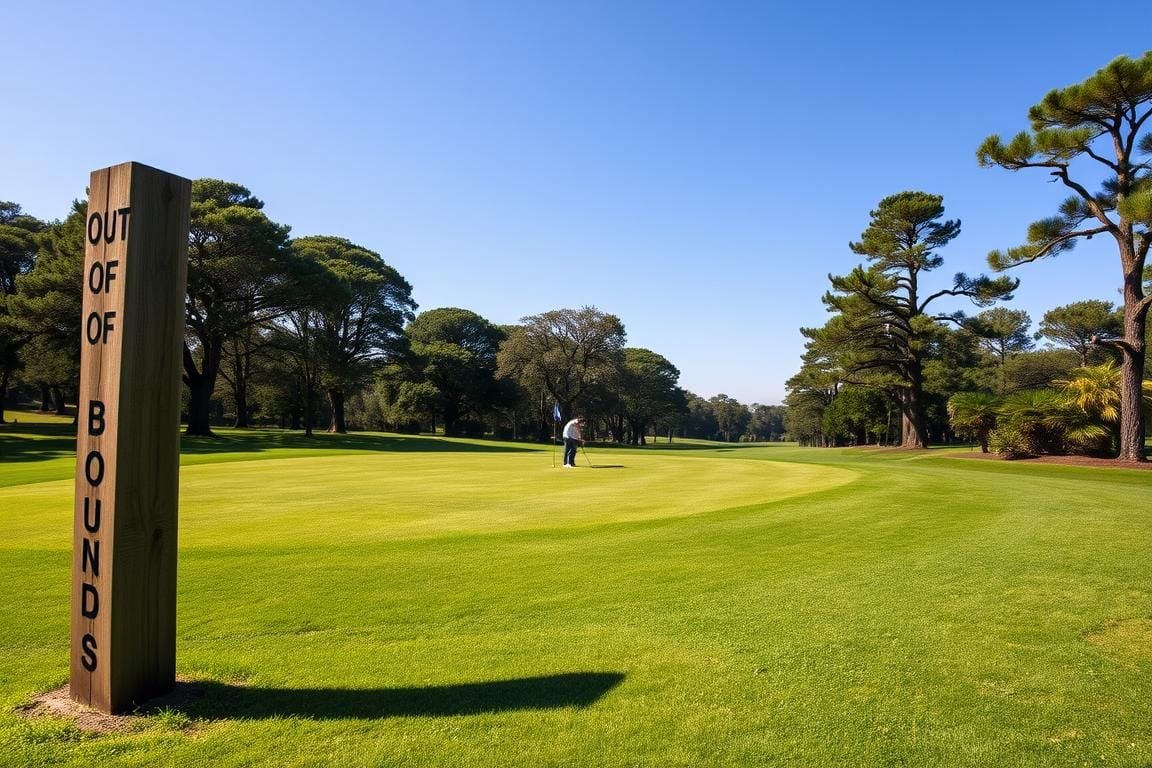
In 2019, the USGA introduced significant updates to the Rules of Golf, particularly regarding out of bounds situations. These changes aimed to improve pace of play and make the game more enjoyable for recreational golfers.Understanding…
Achieving a hole in one is a rare and exceptional feat in golf, representing the pinnacle of skill and precision for many golfers.According to the United States Golf Association (USGA), an official hole in one…
The world of golf transportation is undergoing a significant transformation, with premium vehicles like the EZGO Liberty ELiTE golf cart redefining the landscape. This innovative golf cart is not just about getting from point A…