One green jacket. One major. That’s the entire tally, and it still sits at the centre of everything people talk about when they bring up Fred Couples golf highlights. What keeps the conversation alive isn’t a trophy case — it’s a swing that looks like he’s barely trying, built on tempo rather than brute force, which is exactly why it’s worth studying if you’re a weekend player with an ordinary backswing and no interest in swinging out of your shoes.
The 1992 Masters: Couples’ Only Major, and Why It Still Matters
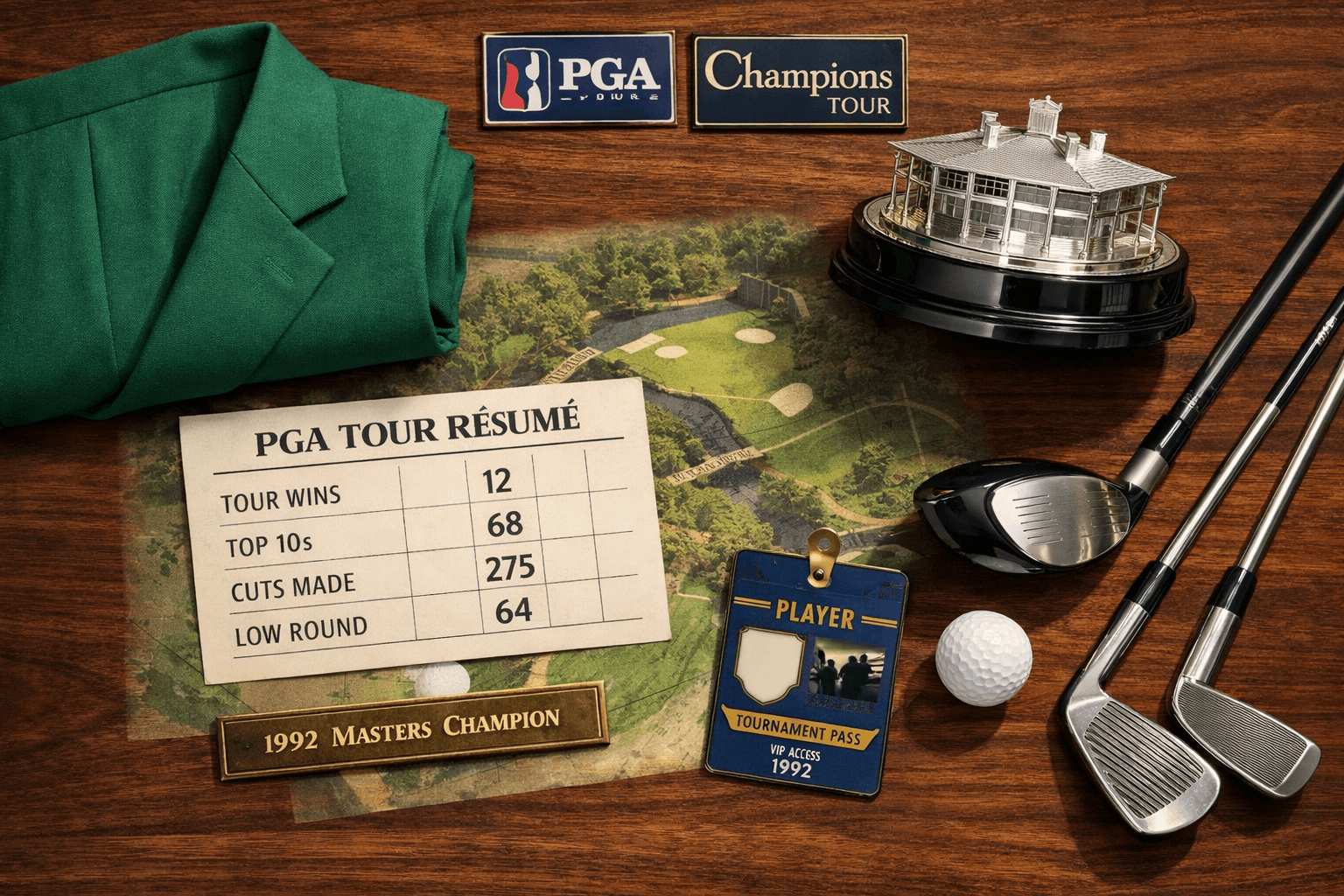
Couples won the Masters in April 1992 at Augusta National, finishing at 13-under and beating Ray Floyd by two shots. It’s his single major title, full stop — no US Open, no Open Championship, no PGA Championship to pad it out.
That one-major reality trips people up constantly. Couples had the game, the looks, and the era-defining swing to suggest a stacked resume, and casual fans often assume he collected two or three majors across the 1990s. He didn’t. He came close elsewhere — runner-up finishes and top-10s at other majors — but Augusta in 1992 is the whole story on that front.
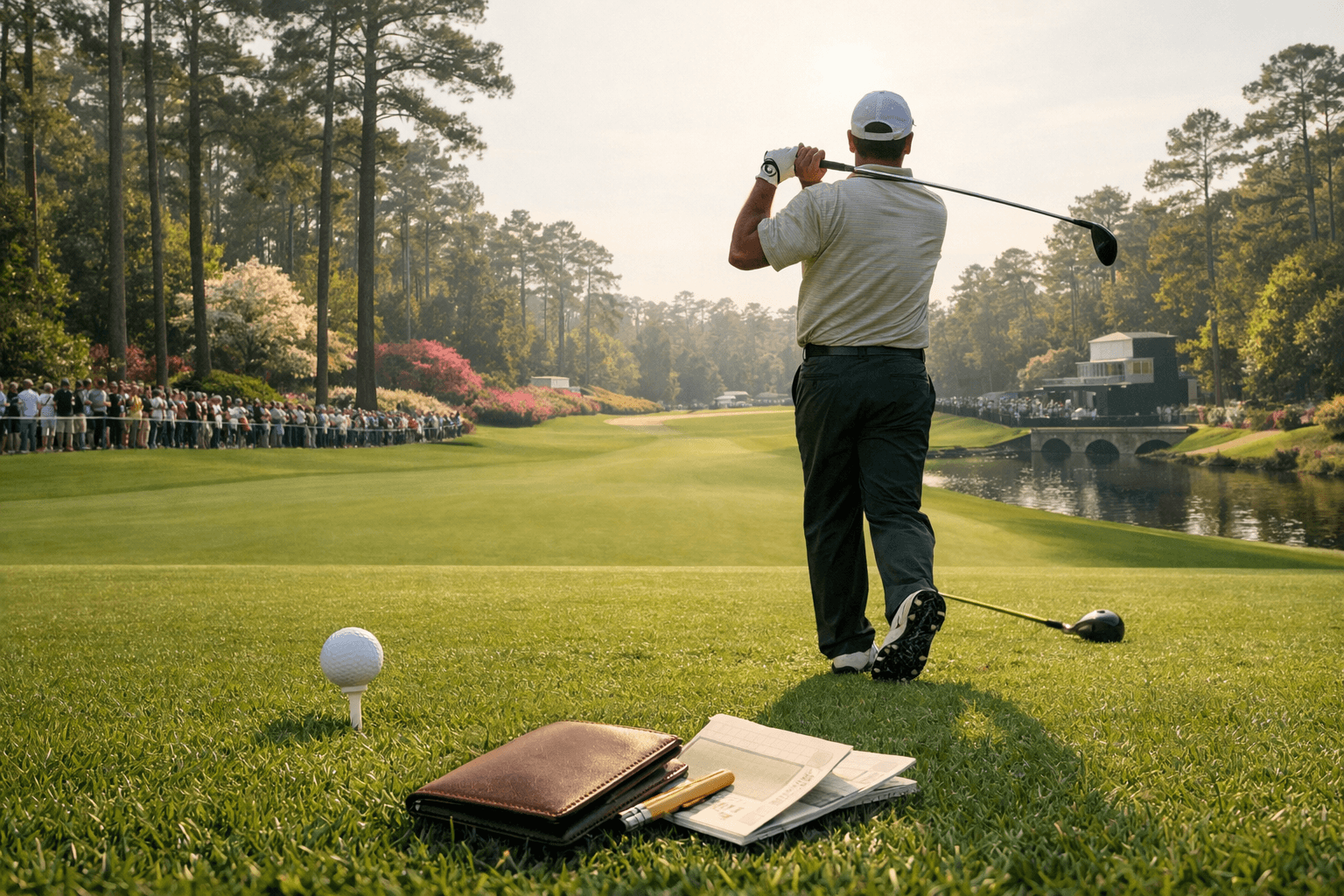
What makes that week worth remembering isn’t just the scoreline. His tee shot on the 12th during the final round famously hung up on the bank above the water instead of rolling back into Rae’s Creek, a break that let him save par and keep his lead intact. Golf fans still bring that shot up decades later.
Treat the 1992 Masters as the anchor point for his whole career story. Everything else — the world ranking, the Ryder Cup captaincy, the Champions Tour form — sits around that one week in Georgia.
PGA Tour Numbers vs Champions Tour Dominance
Couples won 15 times on the PGA Tour, reached World No. 1 in the ranking during 1992, and built a career that peaked firmly in his 30s. That’s a genuinely strong PGA Tour career on its own. But it’s not where his best golf actually happened.
The PGA Tour Résumé
Fifteen PGA Tour wins, one major, and a spell at the top of the world ranking make Couples a Hall of Fame-calibre player by any normal measure. He turned pro out of the University of Houston, where he played college golf alongside other future tour pros, and by his late 20s he was one of the most watchable players in the game.
Why the Champions Tour Numbers Are the Real Story
Once he hit 50, Couples went on a run that dwarfs his regular tour output. He’s picked up more than 10 senior major titles and well over 10 additional Champions Tour wins, dominating a field that still includes plenty of players who beat him regularly in their 40s. People who only know the PGA Tour stat line miss this completely — his senior career is arguably the stronger body of work, purely on win count and consistency.
Tour
Wins
Majors
PGA Tour
15
1 (1992 Masters)
Champions Tour
13+
10+ senior majors
Career earnings across both tours run into the tens of millions of pounds once you convert prize money and endorsements, though most of that came from sponsorship deals rather than tournament cheques alone.
The Back Injury That Shaped Everything
Chronic lower back trouble is the single biggest reason Couples didn’t win five or six majors instead of one. It flared up repeatedly through the 1990s and 2000s, forcing withdrawals, shortened seasons, and a swing built around minimising strain rather than maximising distance.
This isn’t a minor footnote. Couples missed entire tournaments, pulled out mid-round on occasion, and adjusted his practice habits to protect his back rather than grind on the range like his peers. Golfers who assume his laid-back image was purely stylistic are missing the medical reality behind it.
There’s a lesson here for club golfers too. If you’ve ever nursed a bad back through eighteen holes, you already understand why Couples built a swing with minimal twist and maximum flow instead of leaning on load and explosion. Working with your body’s limits, not against them, is often what keeps you playing golf into your 60s.
Couples’ Swing: Why Amateurs Can Actually Copy It
Couples’ swing works because of tempo and sequencing, not speed or flexibility, which makes it one of the few tour swings a 15-handicapper can realistically model. Where someone like a modern power player relies on hip speed and core rotation most amateurs will never generate, Couples relies on rhythm you can build through repetition.
What Makes the Mechanics Different
His backswing is long and unhurried, his transition is smooth rather than aggressive, and his lower body barely races ahead of his arms. That sequencing keeps stress off the lower back and gives the club time to square up naturally through impact. It’s the opposite of a lunge-and-hope swing most weekend golfers default to under pressure.
A Practical Way to Borrow It
Try counting your swing: a “one” on the backswing and “two” on the downswing, aiming for a ratio close to 3:1 in time rather than force. Sites like golfyet.com have covered tempo drills built exactly around this kind of counting method, and it’s a genuinely useful starting point if you tend to rush the transition.
Slow your backswing take-away by roughly a third.
Pause almost imperceptibly at the top rather than snapping straight down.
Let your lower body start the downswing before your arms follow.
Keep your grip pressure light throughout, not just at address.
Practise the tempo with half-swings before adding full speed.
Don’t mistake “effortless-looking” for “no technique.” There are real fundamentals underneath that smoothness, and they’re learnable.
Ryder Cup and Presidents Cup Captaincy
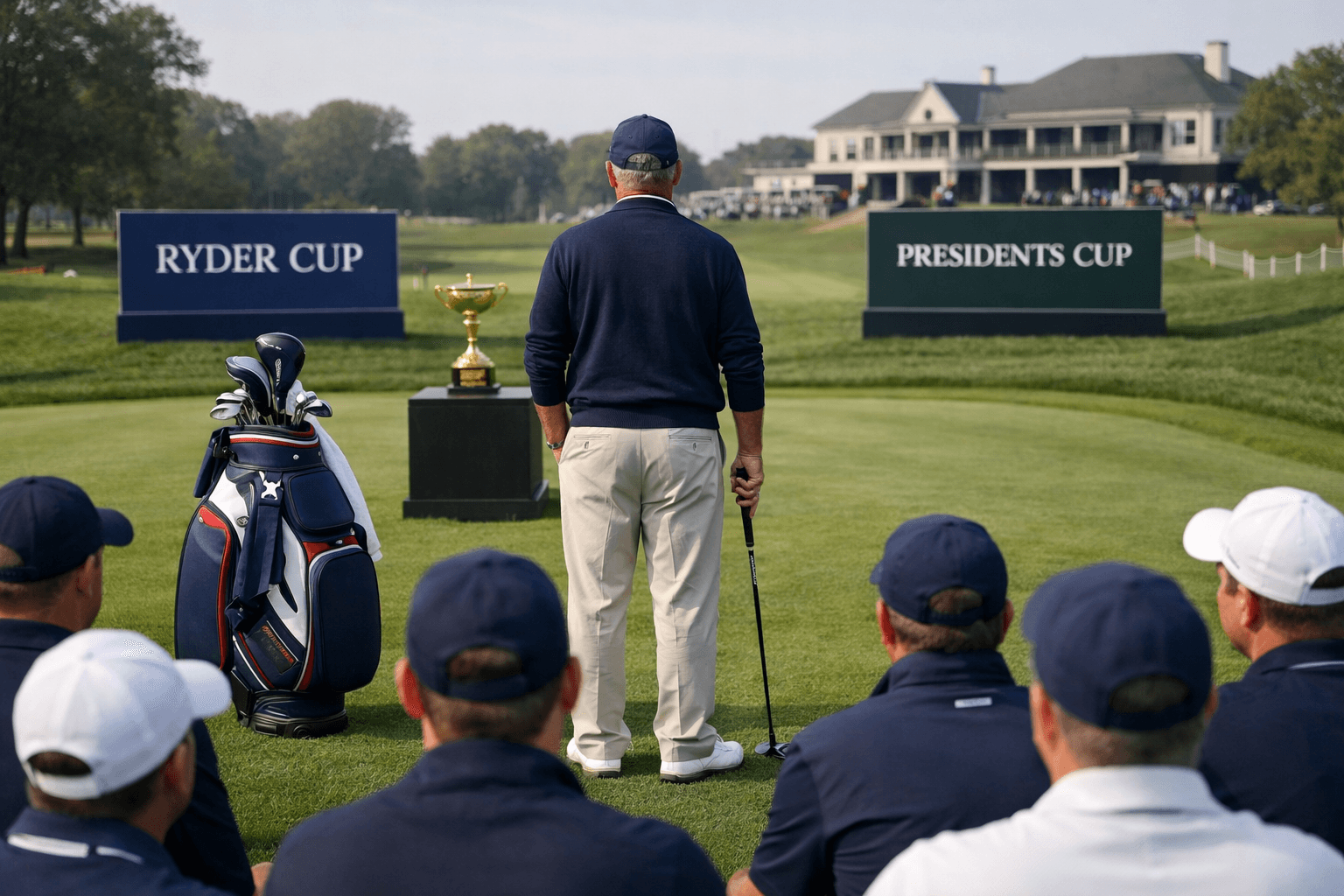
Couples captained the United States Presidents Cup team multiple times through the 2000s and 2010s, and served as a Ryder Cup vice-captain, bringing the same calm demeanour to leadership that defined his playing style. His records as Presidents Cup captain were strong, with multiple US wins during his tenure.
That leadership reputation tracks with how he played: rarely rattled, always likeable in the team room, good at getting competitive players to relax rather than tighten up. It’s a different skill from winning majors, but it’s part of why he stayed relevant in golf long after his best playing years had passed.
Frequently Asked Questions
How many majors did Fred Couples win?
Just one: the 1992 Masters. He had strong finishes at other majors across his career, but Augusta remains his only win at that level, despite a Hall of Fame-worthy overall resume.
Is Fred Couples’ swing good for beginners to copy?
Yes, more realistically than most tour swings, because it’s built on tempo and sequencing rather than exceptional flexibility or clubhead speed, which makes the mechanics genuinely accessible for club-level golfers.
What golf equipment does Fred Couples use?
Couples has played various major-brand clubs and balls across sponsorship deals over his career, switching setups as endorsement contracts changed, so there’s no single fixed brand tied to his name the way there is for some players.
Yell "fore" on the wrong hole and you'll get some looks. Call something a "gimme" in a stroke play tournament and you might get a penalty. Golf terms aren't just clubhouse decoration — they're the…
The Ladies Professional Golf Association (LPGA) recently introduced a set of strict regulations regarding female golfing attire, sparking controversy and confusion among players.As of last week, female golfers are required to adhere to a specific…
Shadow Creek Golf Course sits in North Las Vegas, not on the Strip, and it's one of the most restricted golf experiences in the United States. You can't just call and book a round. Access…